

Mexico is without doubt one of the high locations to go to due to its tradition, meals, and historical past. Most folks go to Mexico to put on an all-inclusive resort, nevertheless it’s a rustic stuffed with historical past and tradition, lovely landscapes, and limitless seashores. There is a motive we have now visited so many instances! So, let’s be taught some enjoyable info about Mexico to know the nation higher. Read on to be taught Mexican info you by no means knew!
Interesting Mexico Facts
Mexico is situated within the southern a part of North America; it shares its border with the US to the north and Guatemala and Belize to the south. To the west, Mexico is bordered by the Pacific Ocean, which has a gorgeous shoreline alongside the western fringe of the nation.
To the east, the Gulf of Mexico and the Caribbean Sea give Mexico a protracted shoreline alongside the japanese aspect. With its various geography, Mexico is a bridge between North America and Central America and has a mixture of cultures and landscapes.
1. Its Name Is Not What You Think
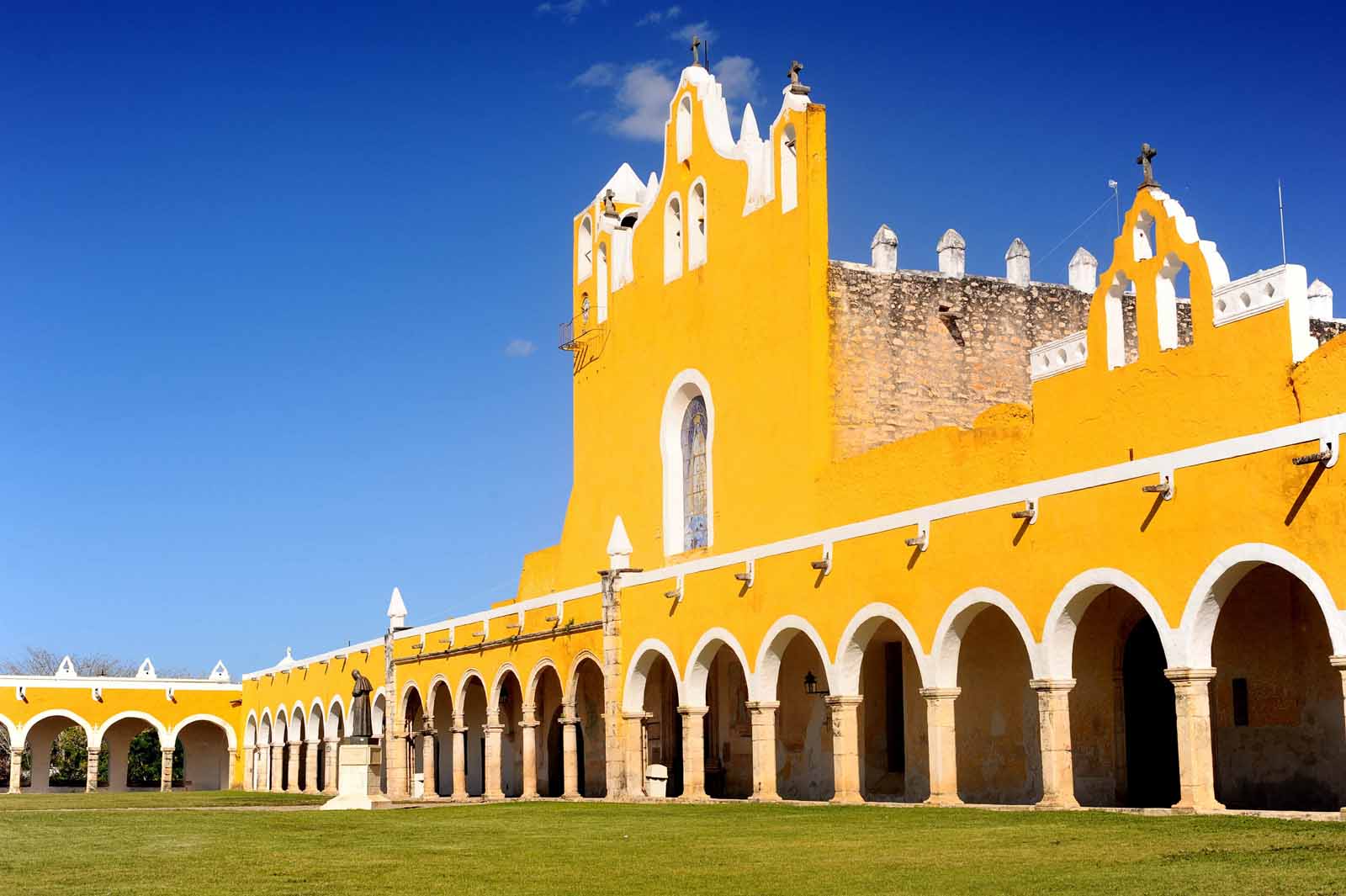
One of the primary enjoyable info about Mexico is that its identify is just not actually Mexico. Mexico’s official identify is the United Mexican States aka Estados Unidos Mexicanos. This nation is split into states, identical to the U.S.
Mexico has 31 states and a Federal District. Every Mexican state has its personal police, rules, and legal guidelines.
The Federal District, Distrito Federal, was as soon as the capital of Mexico. Most folks consider that the capital was all the time Mexico City, however this wasn’t till 2016.
It will get tough to recollect as a result of Mexico City’s metropolitan space is inside the Federal District. Only these dwelling within the Federal District are thought of capital dwellers.
2. Mexico Is More Than a Beach Destination
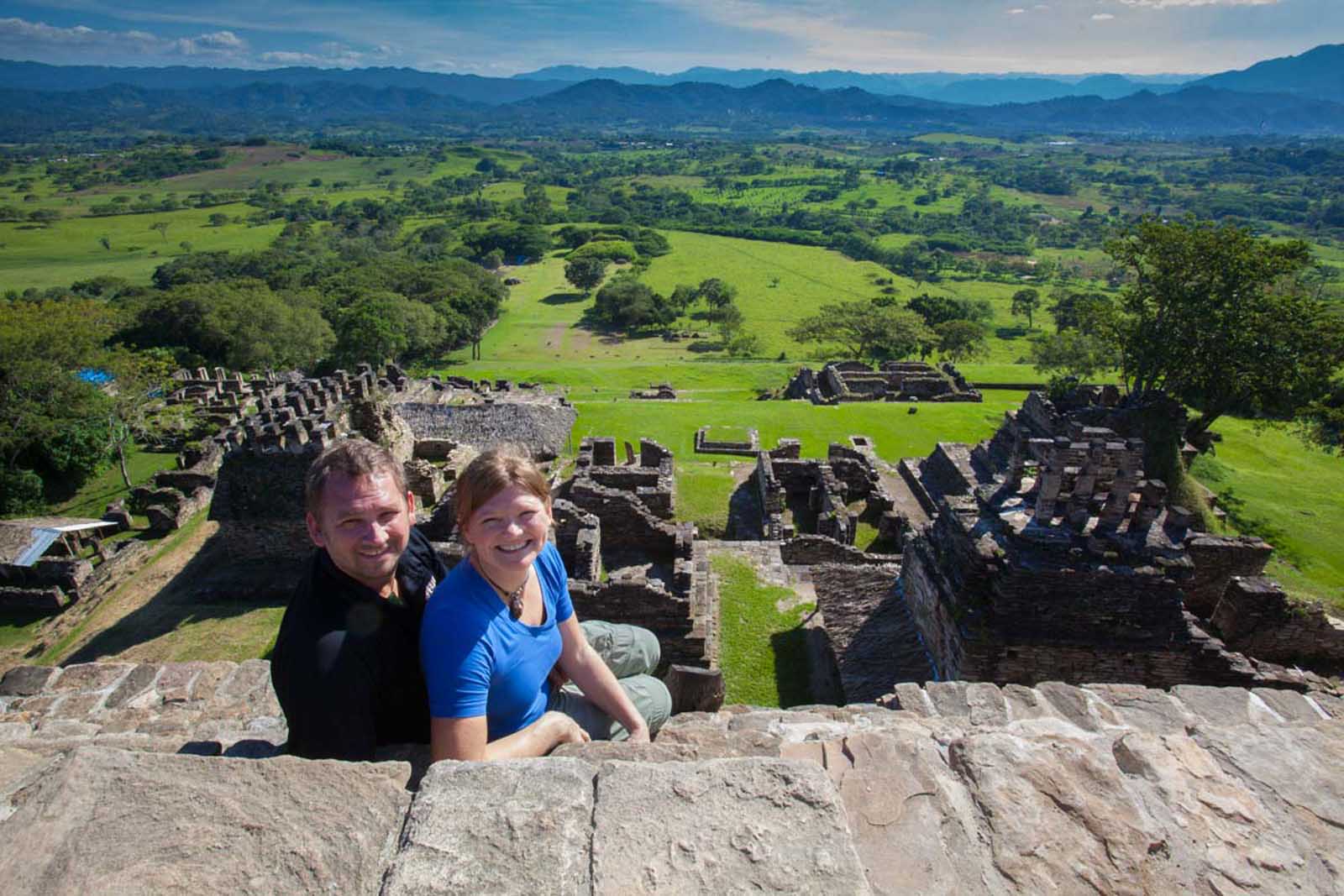 ruins of Tonina in Chiapas Mexico
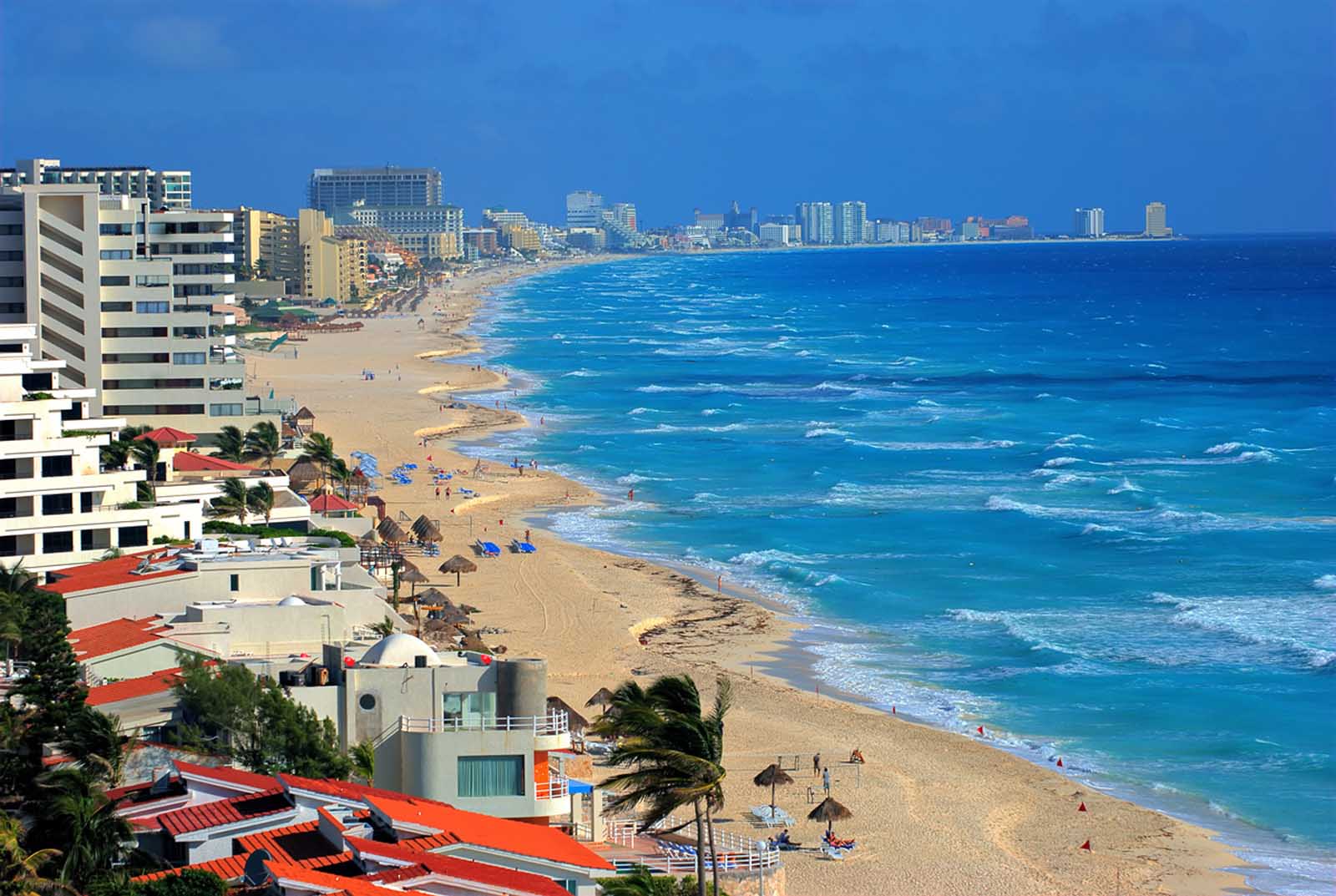
Travelers are likely to make their approach out to Mexico for a trip on the seaside. Yet, the nation is way more than a seaside vacation spot.
Mexico has a wealthy historical past as they’ve 34 UNESCO world heritage websites inside their borders. Some of the most well-liked historic facilities embody Mexico City, Puebla, and Guanajuato. Additionally, Mexican delicacies is acknowledged as an ‘Immaterial World Cultural Heritage’ by UNESCO, emphasizing its cultural significance.
It can be house to greater than a handful of historical ruins, essentially the most well-known being Chichen Itza and the agave fields of Tequila.
The nation is in the course of the circum-Pacific Belt, extra generally referred to as the “Ring of Fire,” a spot identified for its earthquakes and volcanic eruptions.
3. Home to the World’s Smallest Volcano
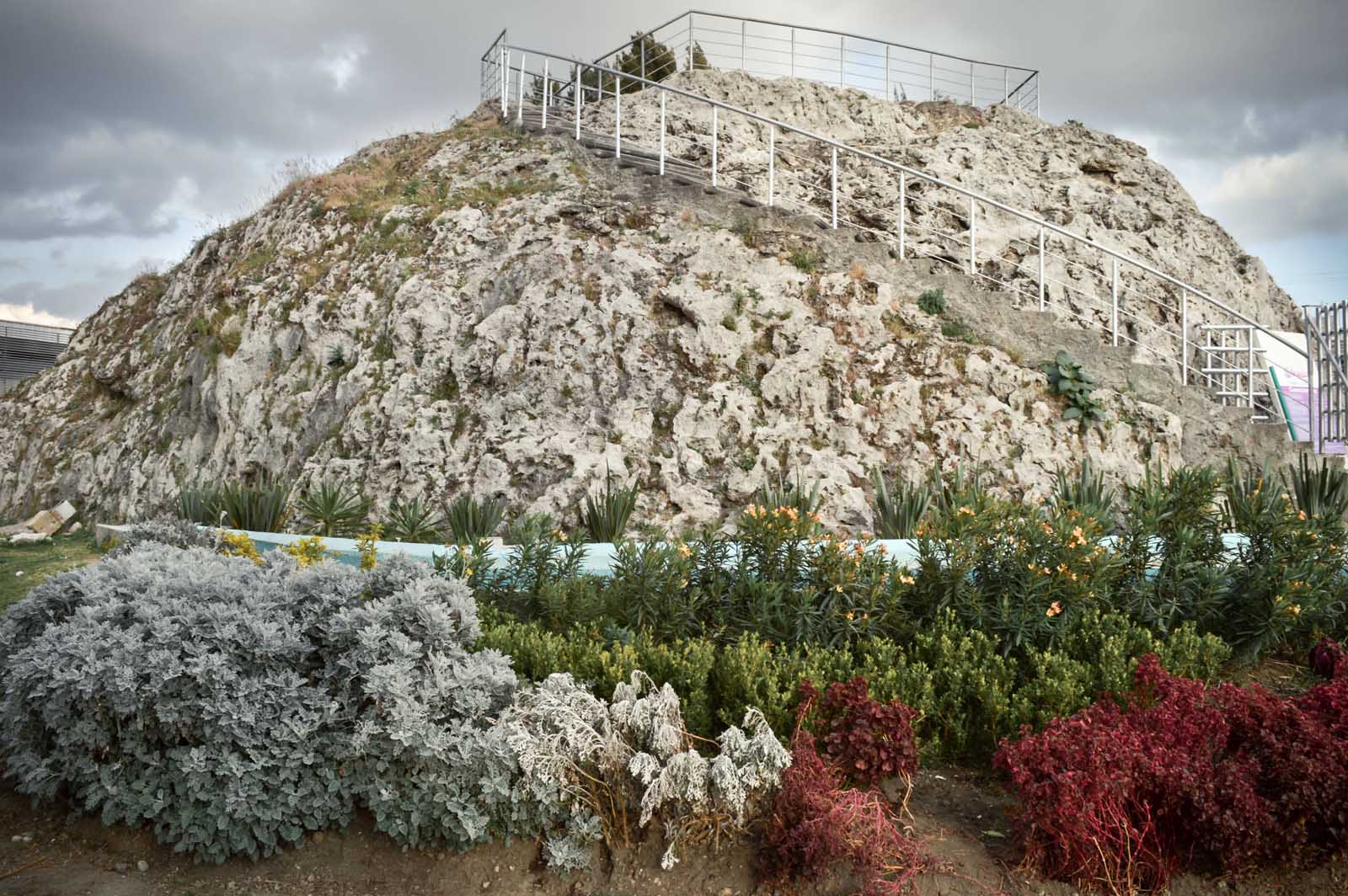
Outside of Puebla, you’ll discover the smallest volcano on this planet, Cuexcomate Volcano. The volcano is barely 13 meters 43 ft tall, and its diameter on the base is about 23 meters (75 ft). It seems like a tiny hill. Cuexcomate is sometimes called a “volcano” resulting from its distinctive look, however it’s really a dormant geyser or a volcanic vent.
Cuexcomate is a part of native folklore and legends in Puebla. According to at least one legend, it was fashioned when the satan himself tried to destroy town with a big stone however was thwarted by the intervention of the Virgin Mary, who turned the stone right into a tiny volcano.
Cuexcomate has a conical form that resembles a miniature volcano, full with a crater on the high. It is roofed in grass and vegetation, giving it a really picturesque look.
4. World’s Largest Pyramid is in Mexico
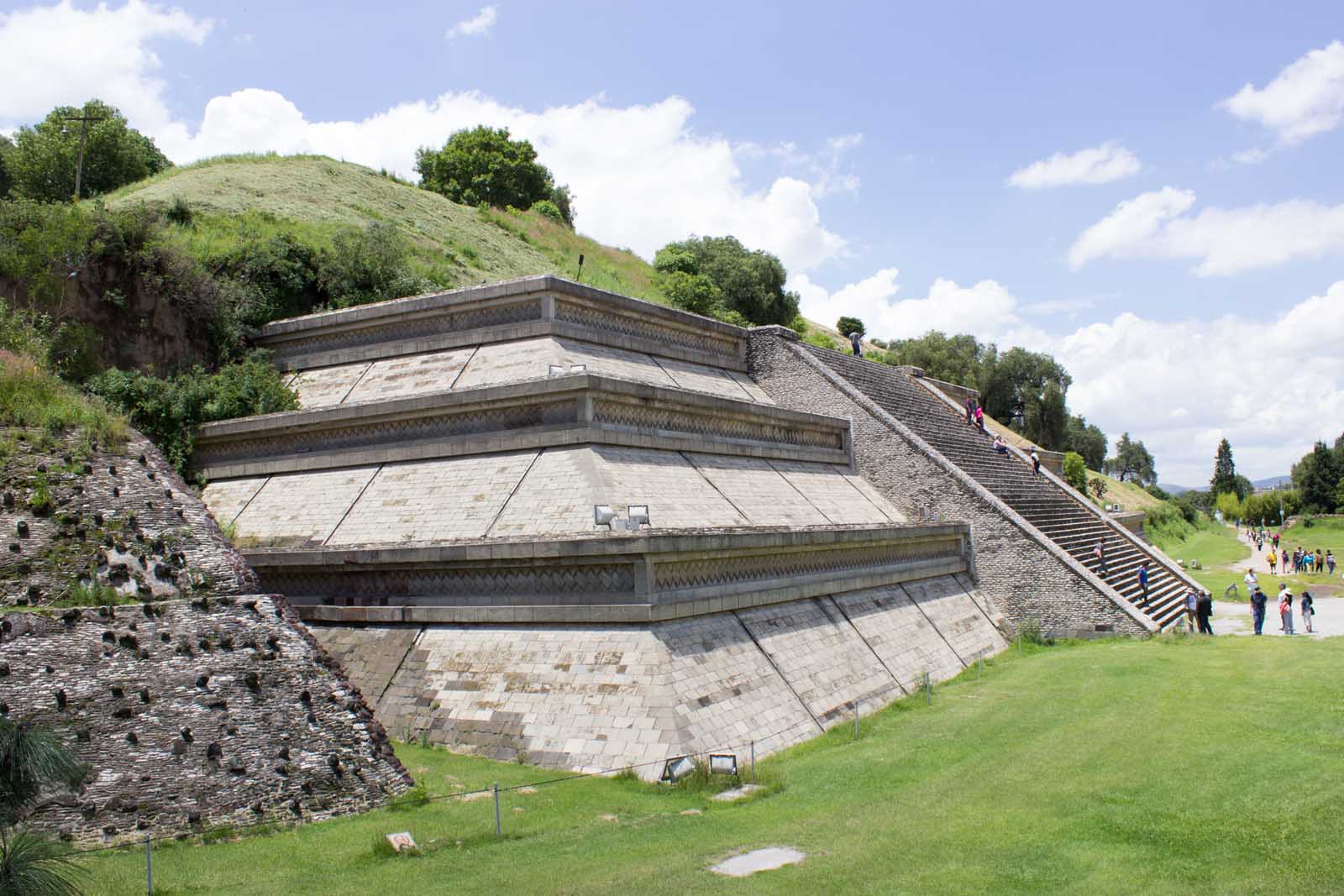
Mexico has the smallest volcano and the most important pyramids. The largest monument on this planet was in-built Mexico. The world’s largest pyramid is the Great Pyramid of Cholula (Pirámide Tepanapa) in Cholula, Puebla. It’s usually mistaken for a hill due to the vegetation and is usually referred to as the “Great Pyramid of Cholula” or “Tlachihualtepetl,” which implies “artificial mountain” in Nahuatl.
The Great Pyramid of Cholula is the most important pyramid in quantity on this planet, even larger than the Great Pyramid of Giza in Egypt. It covers 45 acres and is 55 meters (180 ft) excessive. The pyramid was constructed within the third century BCE by the Olmec-Xicalanca civilization and was expanded and modified by the Maya and Aztecs. It took centuries to complete the pyramid.
5. It Has Animals Big and Small

The jaguar is the biggest wildcat in North America and will be discovered close to the Mayan ruins or roaming the Mexican jungles.
Mexico can be house to the smallest canine breed identified to man, the Chihuahua. This canine breed originated within the state of Chihuahua, situated in northern Mexico, therefore the identify of the breed.
6. U.S. Citizens Make Up the Largest Immigration Group in Mexico

In Mexico, the biggest foreign-born inhabitants is definitely United States residents. In reality, extra Americans are immigrating to Mexico than vice versa.
Quite a lot of Americans discover the meals shocking once they transfer or go to Mexico. Mexican meals within the United States is taken into account Tex-Mex, whereas genuine Mexican meals is completely different.
In Mexico, folks don’t eat Chipotle-style burritos or burritos full of rice. Burritos aren’t that standard in Mexico except you might be within the northern area.
Another distinction between Mexican meals discovered within the United States and meals present in Mexico is that the genuine model isn’t very spicy. Instead, it tastes bitter due to the usage of limes.
7. We Can Thank Mexico For Chocolate
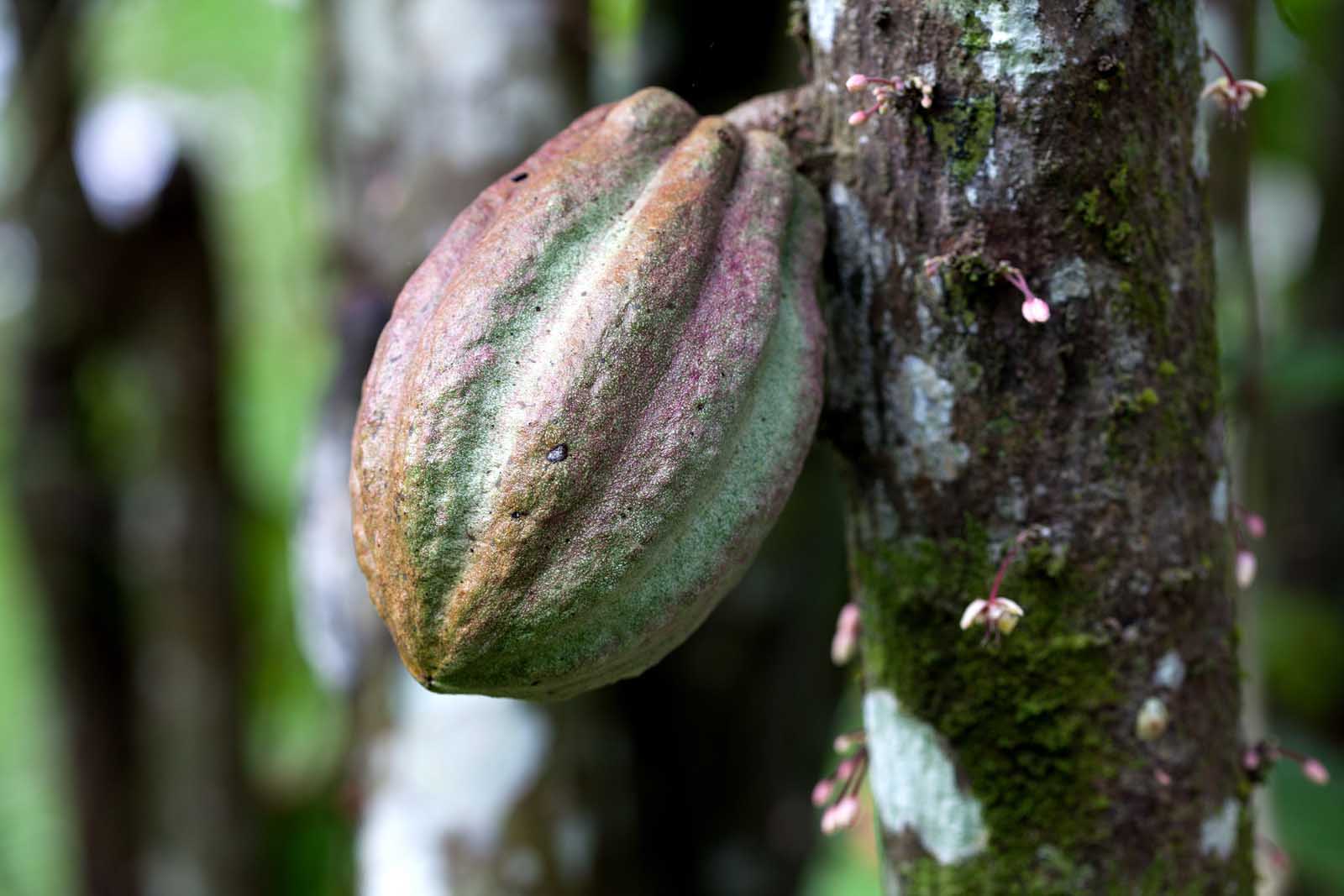
Chocolate got here from Mexico and Mesoamerica. The historical Mesoamericans, the Aztecs, and Mayans had been the primary to domesticate and use cacao (the supply of chocolate) for meals and ceremonial functions. Mexico introduced chocolate to the Western world and Europe and made it a giant cultural and culinary deal.
Cacao beans had been extremely valued by these cultures and had been used as forex and commerce. They had been additionally used to make a bitter, foamy drink that was usually flavored with spices and chili peppers.
So, whereas chocolate as a cacao drink was developed in Mesoamerica, it was the Europeans who sweetened it and created the bars, truffles, and all of the treats we have now immediately.
8. We Can additionally Thank them for Avocados and the tasty Tomato
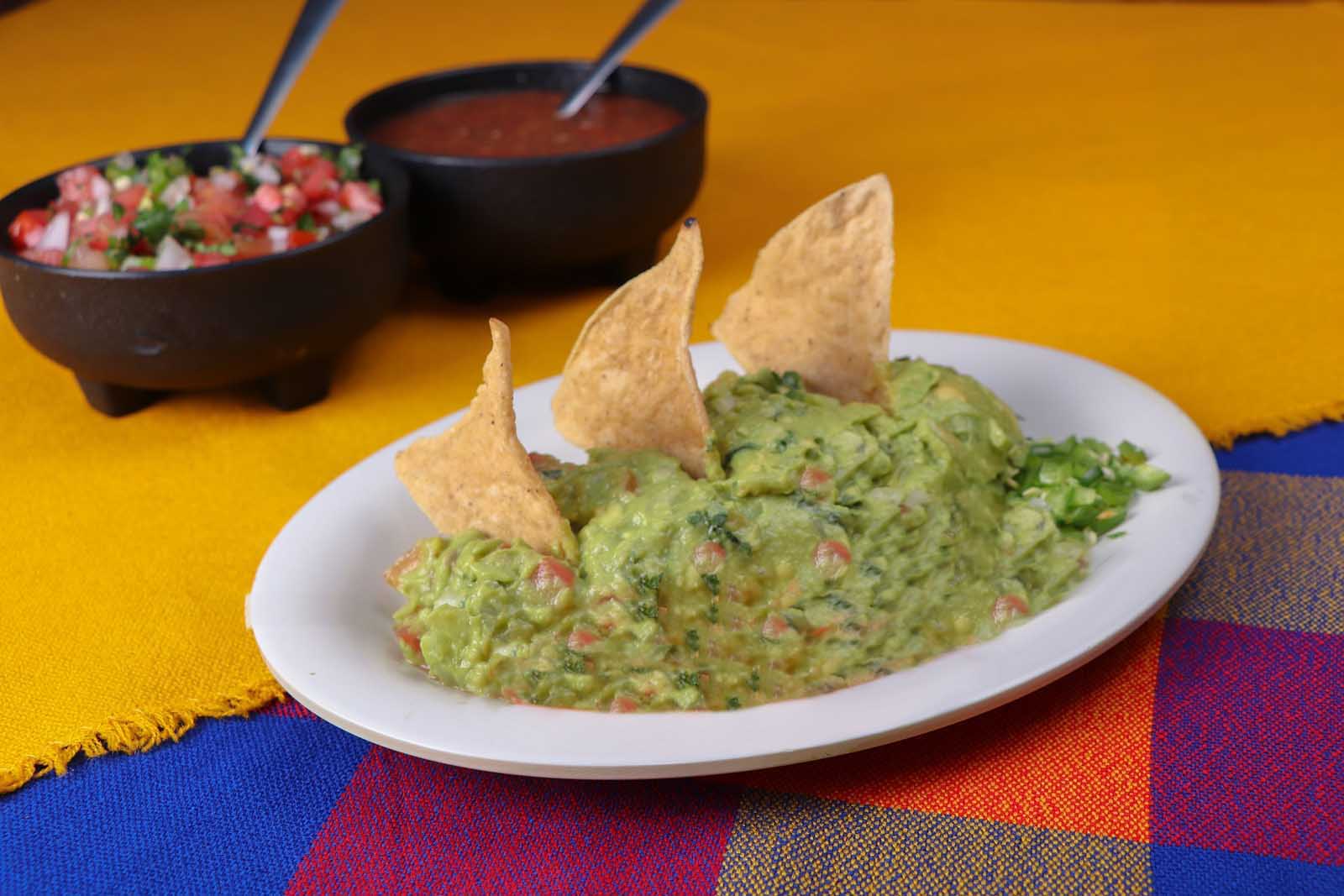
Avocados: Avocados (Persea americana) are from south-central Mexico. They’ve been round for hundreds of years. The Aztecs and different indigenous peoples of Mexico had been the primary to develop avocados. The phrase “avocado” comes from the Aztec Nahuatl phrase “ahuacatl”. Avocados at the moment are a well-liked fruit worldwide, identified for his or her creamy texture and lots of well being advantages.
Tomatoes: Tomatoes (Solanum lycopersicum) are from Mexico too. The indigenous peoples of Mexico, together with the Aztecs, grew and ate tomatoes earlier than they had been launched to the remainder of the world. Tomatoes had been delivered to Europe by Spanish explorers within the early sixteenth century and at the moment are a staple in lots of cuisines. The tomato plant is a part of the nightshade household and produces many varieties of tomatoes, from cherry tomatoes to beefsteak.
Both are staples world wide and are utilized in many dishes, akin to guac and salsa.
9. Mexico City Is Sinking
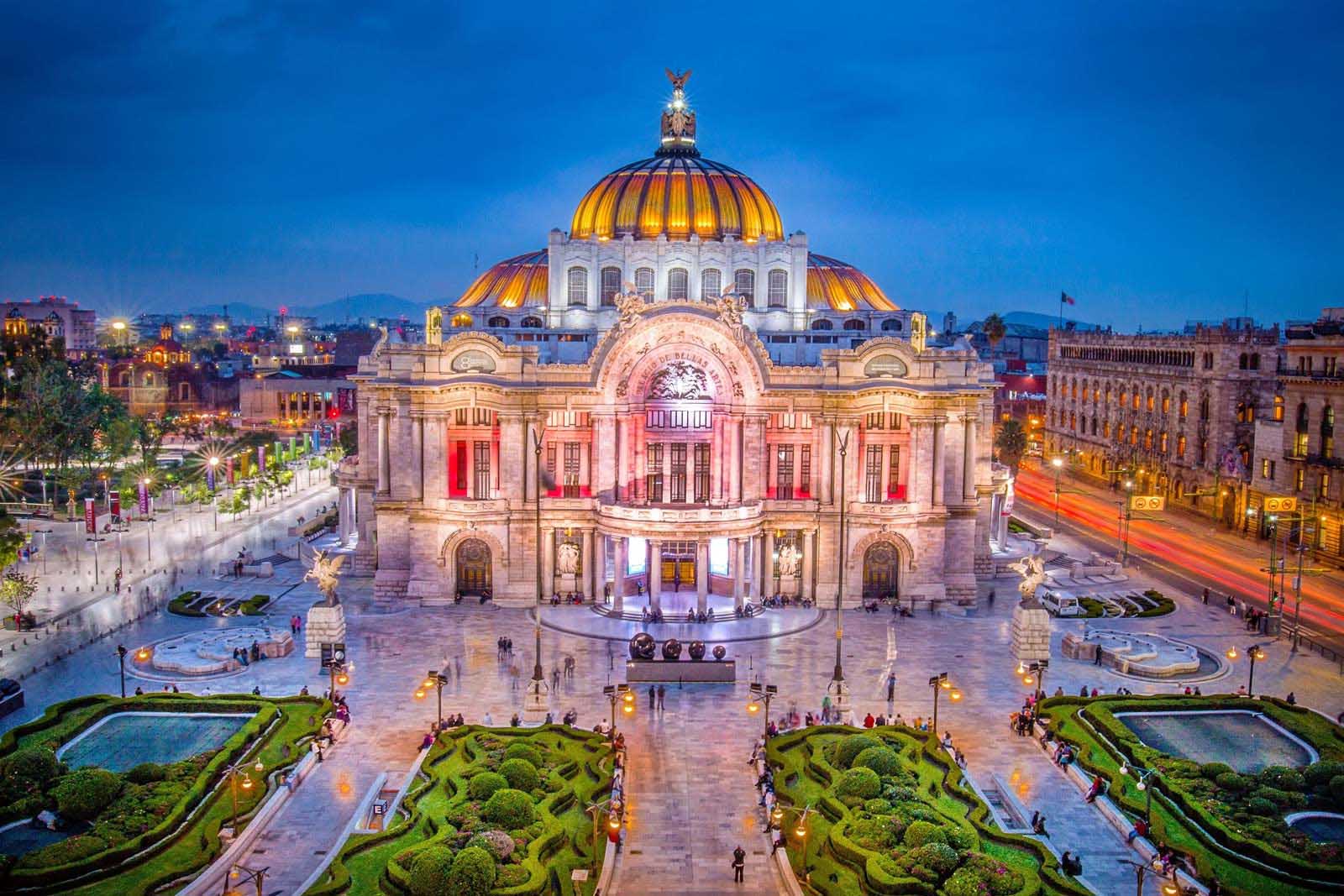
Tenochtitlàn was an Aztec metropolis wherein the Aztecs made programs of canals and dikes to forestall floods. When the Spanish got here alongside, they drained the lakebed as a substitute of containing the flood management work.
The Mexican inhabitants in Mexico City grows every year, requiring extra water to be pumped out. As a end result, town is sinking about 6 to eight inches yearly.
10. Cinco de Mayo Is Not Celebrated in Mexico
Cinco de Mayo is usually mistaken for Mexican Independence Day, however the precise date of Mexican independence is September sixteenth. In 1821, on September twenty seventh, Mexico declared independence. However, over a decade earlier than, in 1810, on September sixteenth, the independence struggle started. Because of this, Mexico celebrates its Independence Day on September sixteenth.
Cinco de Mayo is frequent within the United States as a day for folks to occasion and have enjoyable. Mexican immigrants within the United States may have a good time this present day.
Most are unaware that Cinco de Mayo is a day to commemorate the Battle of Puebla that occurred in 1862. The folks of Puebla do have a good time this present day.
11. At Christmas, Mexican Children do Not Receive Gifts
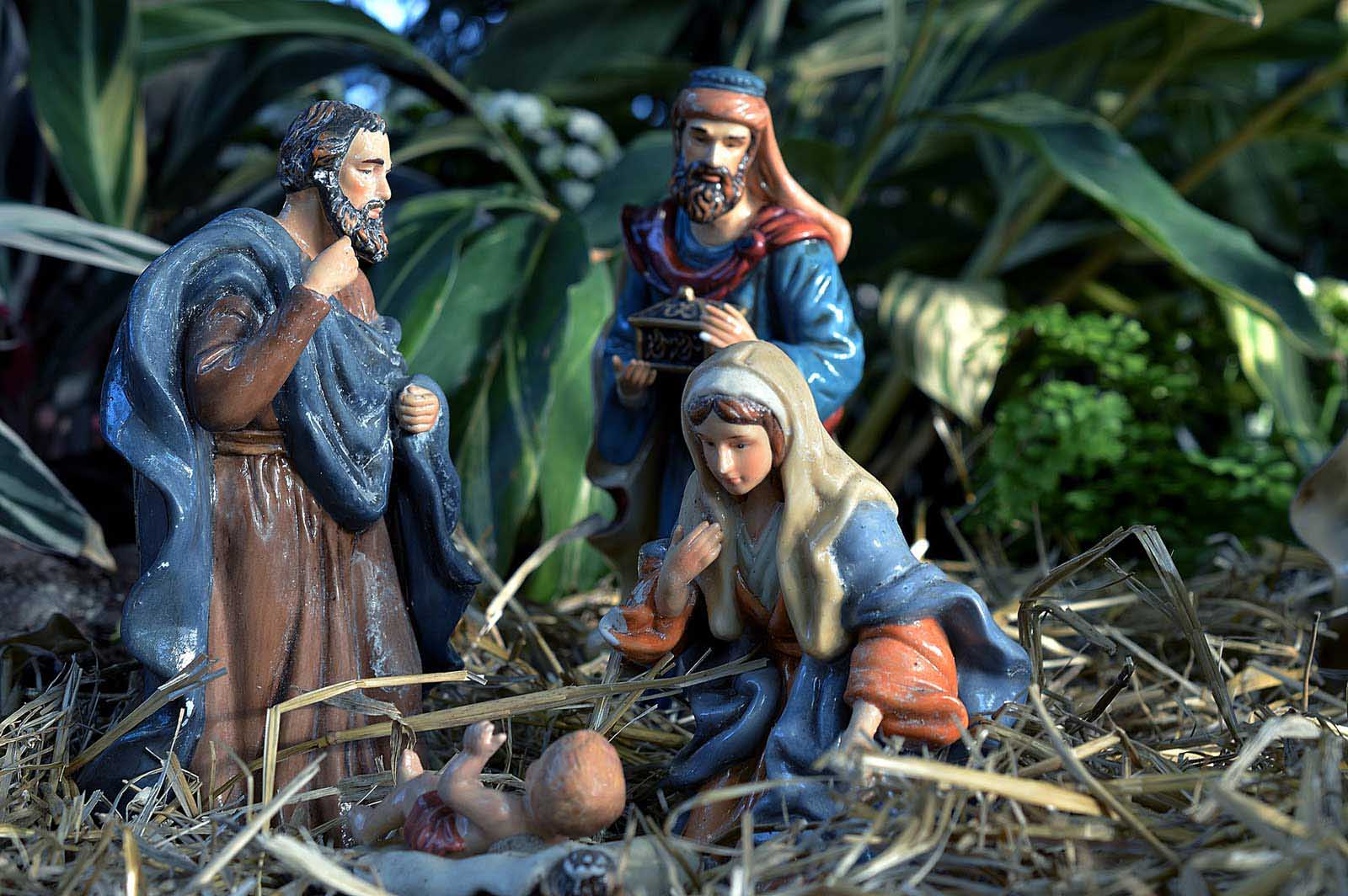
In Mexico, Christmas isn’t celebrated on Christmas Day; that’s “Nochebuena.” Mexican youngsters don’t get presents on Christmas Day, as a substitute they wait for an additional day, “Día de Reyes” or “Three Kings’ Day” on January sixth. This custom is deeply rooted in Mexican tradition and has lots of spiritual and historic background.
Christmas Eve (Nochebuena) is widely known with household gatherings, meals, and the infant Jesus within the nativity scene. Gift alternate is reserved for Día de Reyes, also referred to as the Feast of the Epiphany. This day commemorates the go to of the Three Wise Men (Tres Reyes Magos or simply Los Reyes) to the infant Jesus in Bethlehem. Wise Men carry items to youngsters in the identical approach on January fifth; they go away presents beneath their beds or footwear.
12. A Mexican Inventor Contributed to Developing the Color TV
Guillermo González Camarena was born February 17, 1917 in Guadalajara, Mexico. In 1934, at 17 years previous, he filed his first patent for the tv.
González Camarena’s largest achievement was in 1940 when he developed an early colour TV system which he referred to as the “Trichromatic Sequential Field System”. This system used rotating colour wheels within the transmitter and receiver to breed colour pictures. He patented this in Mexico and the US.
In 1940, Guillermo González Camarena transmitted the primary colour TV sign in Mexico, a historic milestone in colour TV. His work on colour TV was acknowledged internationally.
13. It’s Not a Third-World Country
The Cold War is to thank for the time period “third world.” It was created as one among three geopolitical alignment divisions. Countries aligned with the United States had been thought of “first world” on the time. Allies of the Soviet Union had been “second world” nations. The nations not aligned with both had been referred to as “third world.”
Even when the Cold War ended, the time period remained. “Third world” grew to become one other identify for poverty, whereas the opposite two divisions are exceptional.
The hole between the poor and wealthy in Mexico is giant, however they should not thought of a poor nation due to their GDP per capita. Mexico affords many sights, identical to different developed nations.
14. Mexico Differs From Latin America in Many Ways
From the tradition to the language, Mexico is vastly completely different from Latin America. For one, Mexico is in North America, not Latin America. When it involves the language, Mexican Spanish is sort of like slang. It’s a novel variation of Spanish.
If you’ve ever studied Spanish in class, you might already pay attention to this reality. Spanish academics reiterate how completely different the Spanish language will be internationally.
Latin America and Mexico are related in terms of rest room paper. Yes, you learn that accurately, rest room paper. In Mexico and Latin America, they like that you just throw rest room paper within the trash as a substitute of flushing it down the bathroom. Places nearer to the ocean in Mexico are typically stricter about this.
15. Mexico Has the Oldest University in North America
When you consider previous universities in North America, your first thought could also be Harvard. However, the oldest college in North America is definitely the National Autonomous University of Mexico (UNAM), which is situated within the capital metropolis of Mexico City. It was based in 1551, 85 years earlier than Harvard was.
16. Mexico Has Some Odd Foods
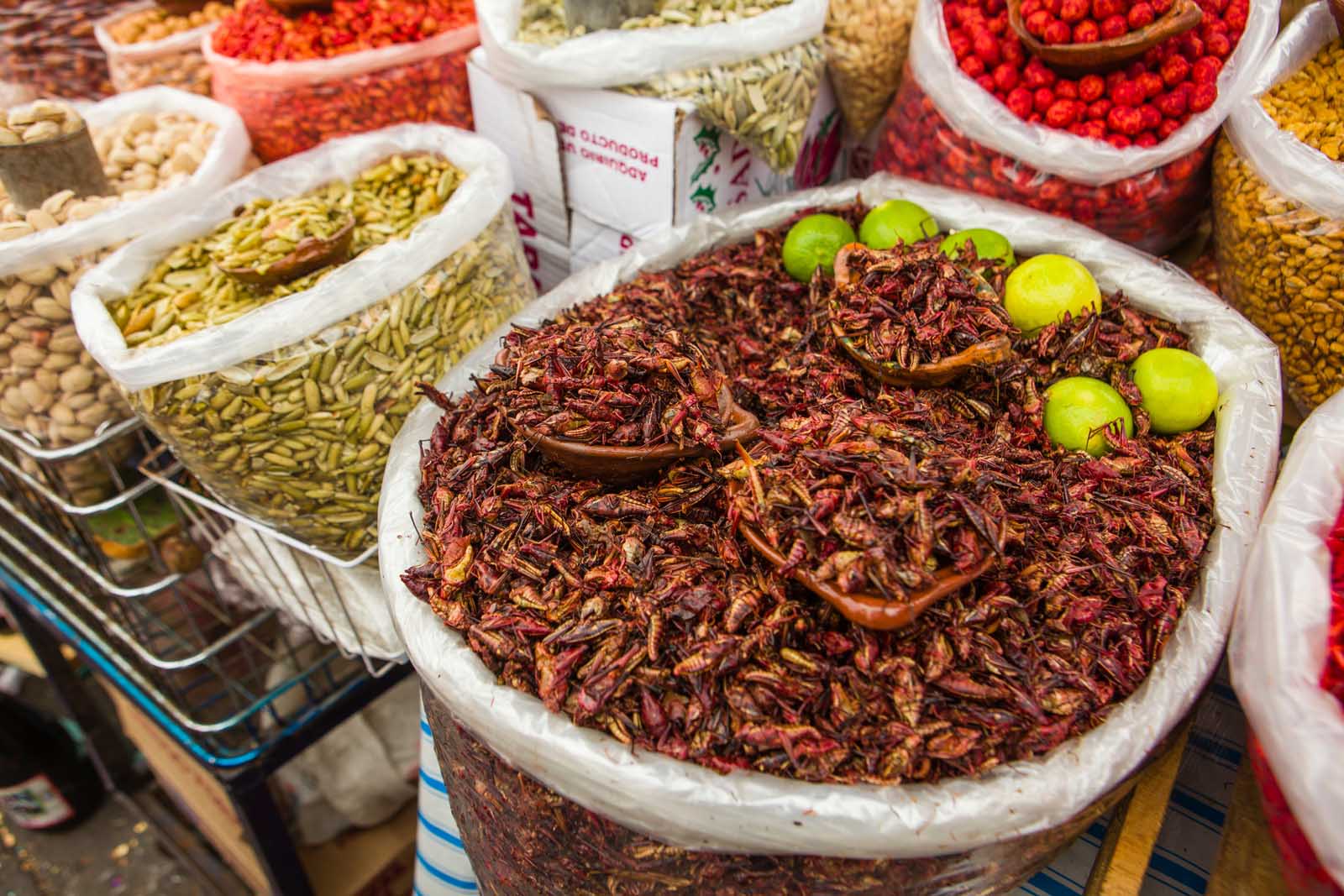
Many foodies journey to Mexico for genuine Mexican delicacies. The most adventurous of foodies might stroll by way of a market and purchase grasshoppers, scorpions, and spiders to take pleasure in throughout their subsequent meal. This could also be a horrifying sight for the common joe, however a few of these crawly critters have nice taste. Why else would you discover the folks of Mexico promoting them for consumption?
If you will get over the oddness of consuming bugs, you’ll discover some tasty treats which might be excessive in protein and, after all, are natural. There are tons of edible bugs in Mexico to select from.
It wasn’t meat that received the Aztecs by way of the day, it was fat-free bugs they discovered roaming the grounds. If you feel dangerous, pattern a scrumptious critter throughout your travels in Mexico.
17. It has Foods we all know and Love As Well
From enchiladas to Tacos, Mexican meals is a few of the most recognizable and finest on the planet. Mexico’s nationwide dish is Mole pronounced “moh-lay”) which is a wealthy and flavorful sauce that may be a staple in Mexican delicacies. It is used to boost the flavors of meats like rooster or turkey and is constituted of varied substances, together with dried chiles (akin to ancho, pasilla, and Mulato), chocolate (normally unsweetened), spices (like cinnamon, cumin, and cloves), garlic, onions, tomatoes, and generally fruits (like plantains or raisins) and nuts (akin to almonds or peanuts).
18. Mexico is Regularly listed as One of the Most Popular Tourist Destinations

Mexico is a sizzling vacationer spot. In reality, it’s one of many high 10 most visited vacationer locations on this planet. Right now, the World Tourism Organization has it because the sixth most visited nation when it comes to tourism. With its lengthy seashores, UNESCO World Heritage Sites, Ancient Ruins, and cities, it’s no surprise it’s so standard.
19. Facts About the Mexican Flag
The Mexican flag is one among three National Symbols of Mexico. It consists of three vertical stripes of equal width. The colours of the flag, from left to proper, are inexperienced, white, and purple. “Verde,” “Blanco,” and “Rojo.” The Mexican flag was first adopted on February 24, 1821.
In the middle of the white stripe, there’s Mexico’s nationwide emblem, referred to as the “Mexican Coat of Arms” or “Escudo Nacional.” It options an eagle perched on a cactus with a snake in its beak. This emblem represents the legend of the founding of Tenochtitlan, the traditional Aztec capital, which later grew to become present-day Mexico City. The symbolism inside the emblem invitations readers to discover extra about this distinctive civilization and its mythological components.
Each colour on the Mexican flag holds particular symbolism. Green represents hope and independence, white symbolizes purity and faith, and purple stands for the bloodshed by those that fought for Mexico’s independence.
Record-Breaking Flag: In 2010, Mexico set a Guinness World Record for the biggest flag ever flown. The monumental flag, measuring 2,011 meters lengthy, was displayed in celebration of the nation’s bicentennial.
20. Mexico is without doubt one of the Cradles of Civilization
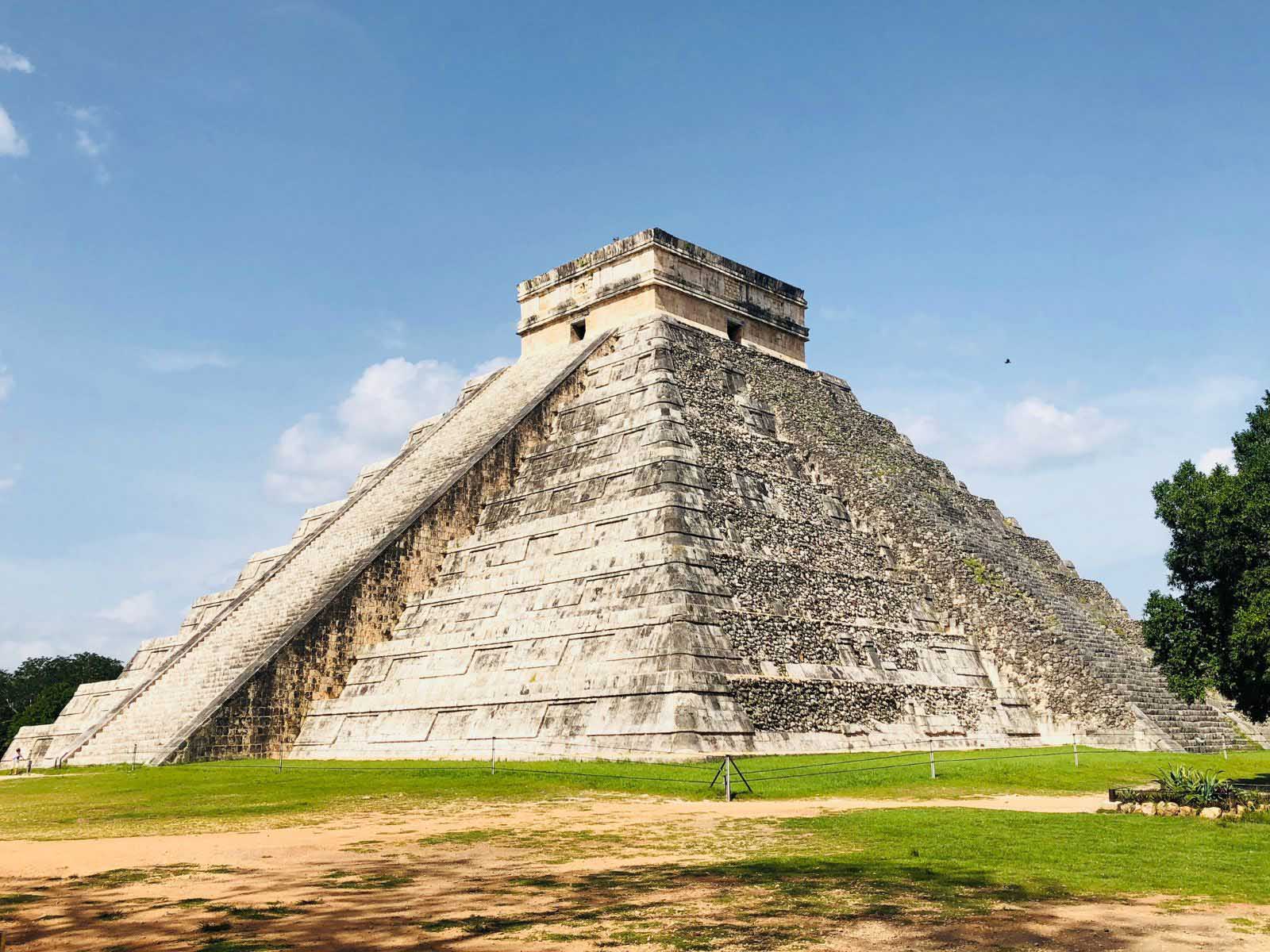
Mexico has been round since 8000 – 12000 BC. We all know in regards to the Mayans and Aztecs, however fewer know in regards to the Toltec Civilization. The Toltecs had been a pre-Columbian Mesoamerican civilization thought of one of many nice civilizations of historical Mexico, and their affect was widespread in what’s now central Mexico.
The Toltecs had been an organized and concrete society. They had a hierarchical society with a king on the high, the Aristocracy, monks, and commoners. The Toltec state was dominated by a king and had a warrior class.
The causes for the autumn of the Toltec civilization are nonetheless unknown. Some say inner battle, others environmental components or exterior invasions. Around the twelfth century, Tula was deserted, and the Toltec state fell. However, the Toltecs left a giant cultural and inventive legacy to the Mesoamerican civilizations that adopted, together with the Aztecs.
21. The Spanish Ruled Mexico for 300 Years
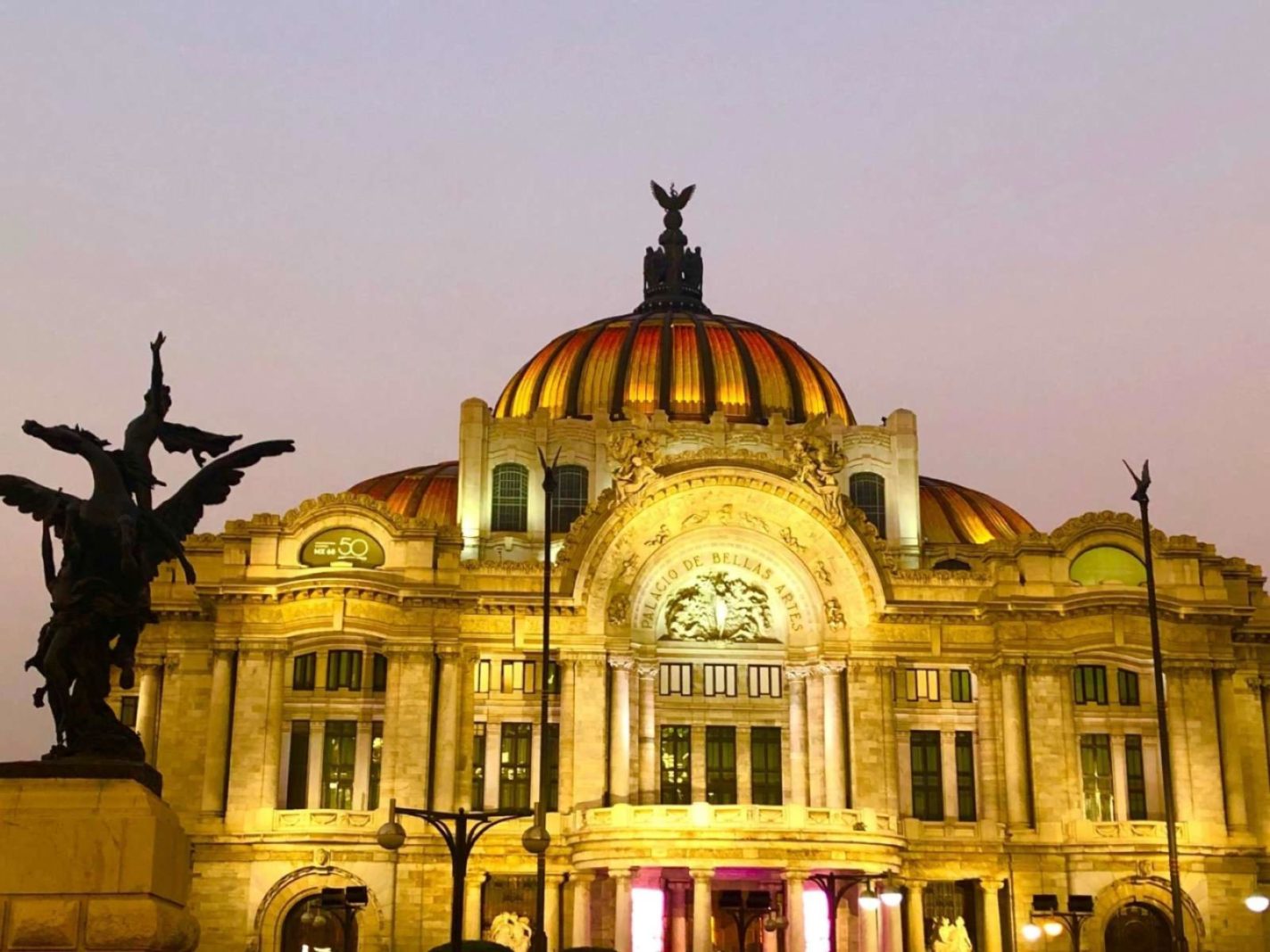
The Spanish rule of Mexico as New Spain lasted virtually 300 years, from the sixteenth to the nineteenth century. Hernán Cortés arrived in Mexico in 1519 and, by 1521, had defeated the Aztec Empire led by Moctezuma II. That was the beginning of Spanish colonial rule in Mexico.
The Royal and Pontifical University, based in 1551, is the oldest college in North and Central America. Its historical past is like Harvard’s.
In 1535, New Spain was established as a viceroyalty of the Spanish Empire. The capital of the viceroyalty was Mexico City (previously Tenochtitlan). New Spain included what’s now Mexico, Central America, and a part of the southwestern US.
September 27, 1821, the Mexican War of Independence ended with the signing of the Plan of Iguala, and Mexico grew to become impartial of Spain. Agustín de Iturbide was the primary Mexican emperor, however Mexico grew to become a republic.
Fun Facts About Mexico That Will Make You Want to Take a Trip!
Mexico could also be on the high of the record to journey due to the gorgeous seashores and superb views. Yet, this nation has way more to supply than what folks usually search out.
If you’re in search of wealthy historical past, historical buildings, and superb meals, Mexico is the place to be. Mexican tradition Mexico is a wealthy tapestry of traditions maintained by the indigenous descendants in varied areas, providing a novel and vibrant heritage. Don’t accept a day on the seaside when you may be experiencing way more!