

Reading Time: 5 minutes –
The evolution of the Toronto Power Generation Station and its vital function within the growth of hydroelectric energy in Canada.
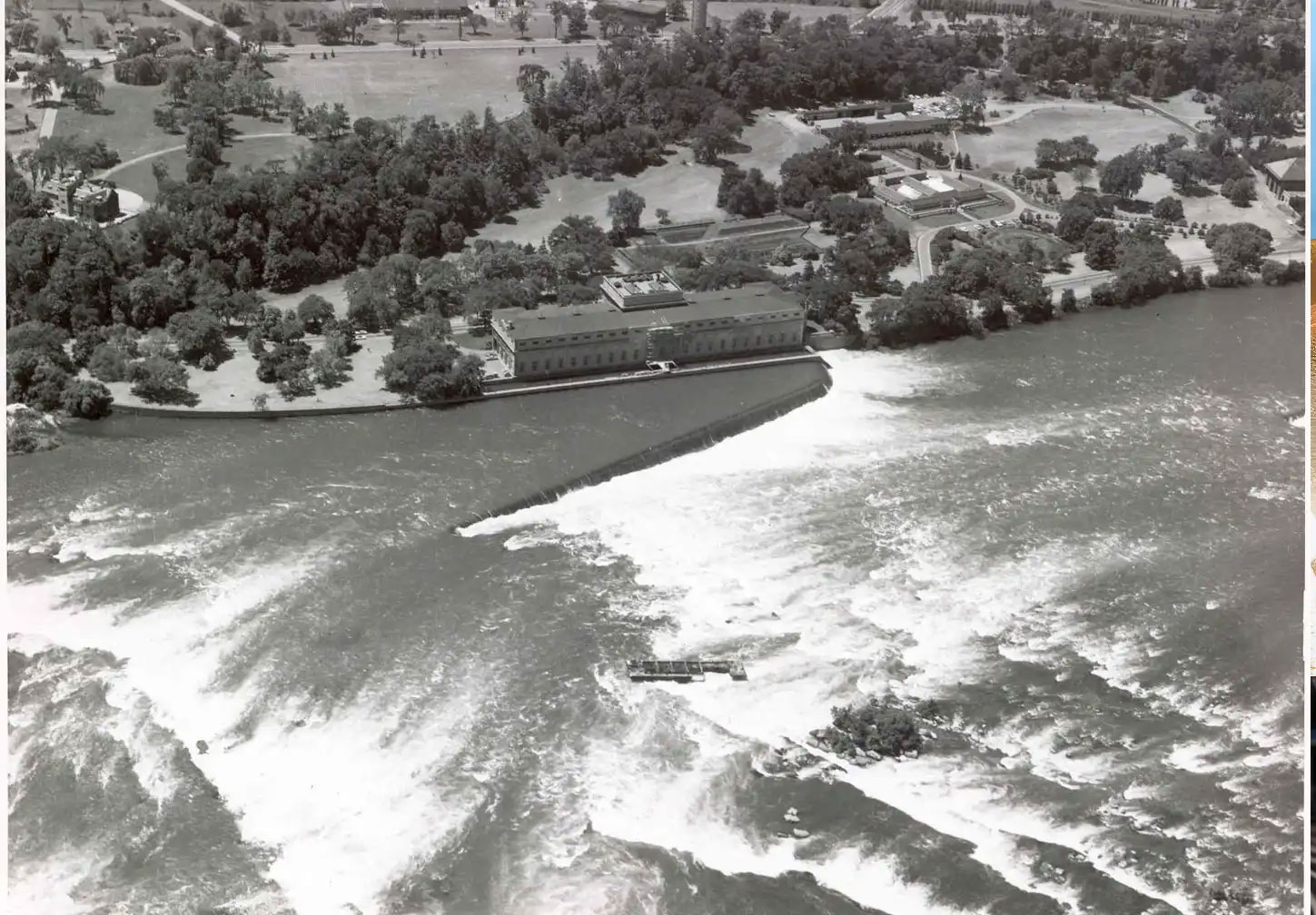
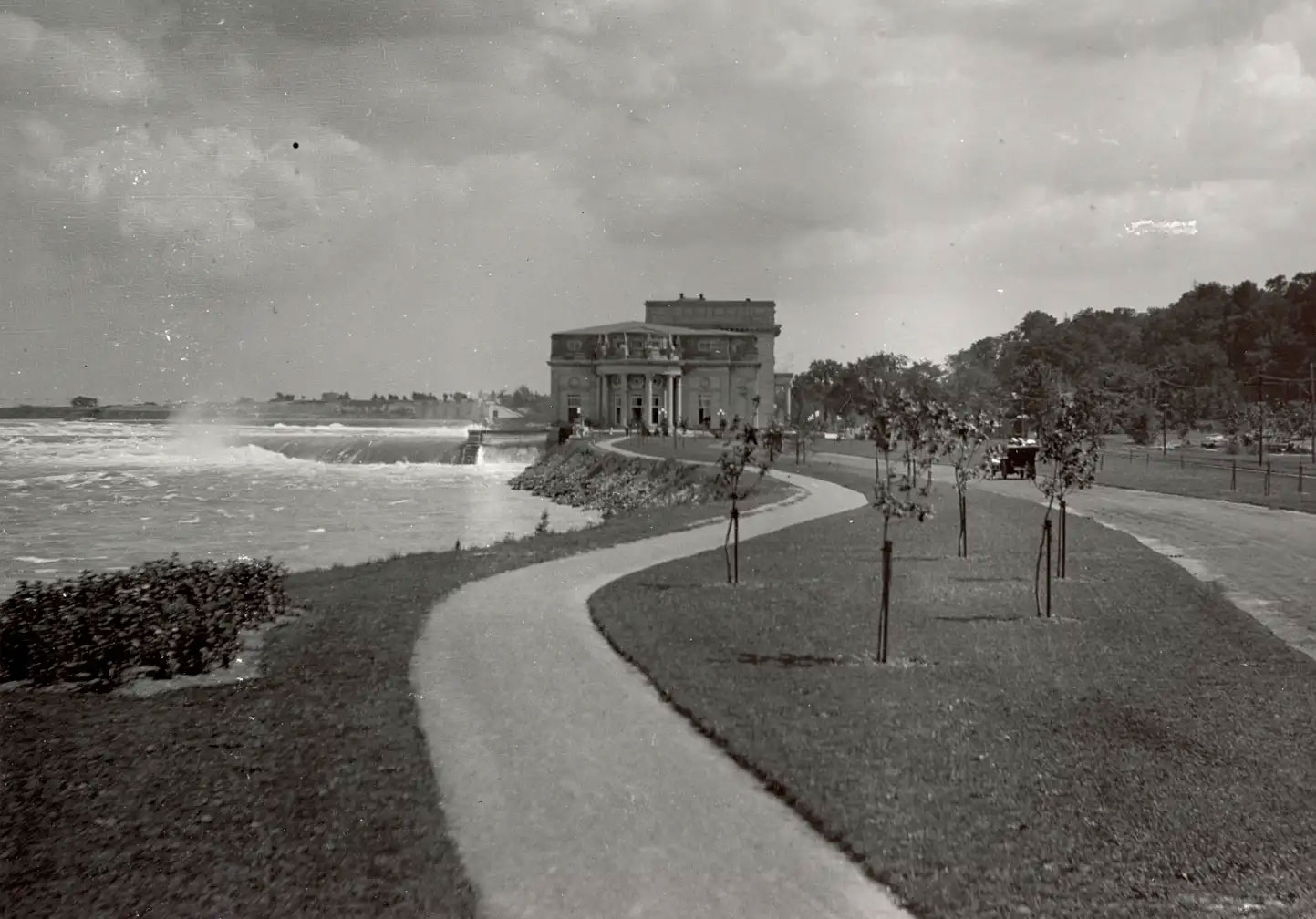
The Toronto Power Generation Station, situated alongside the majestic Niagara River in Niagara Falls, Ontario, stands as a testomony to Canada’s pioneering efforts in harnessing the facility of water for electrical energy. As the primary wholly Canadian-owned hydroelectric facility at Niagara Falls, it performed a vital function in shaping the event of enterprise, business, and know-how in Ontario and Canada. This article delves into the historical past and significance of the Toronto Power Generation Station, highlighting its outstanding achievements and enduring legacy.
Construction and Design
Exploring the architectural marvels and engineering triumphs of the Toronto Power Generation Station.
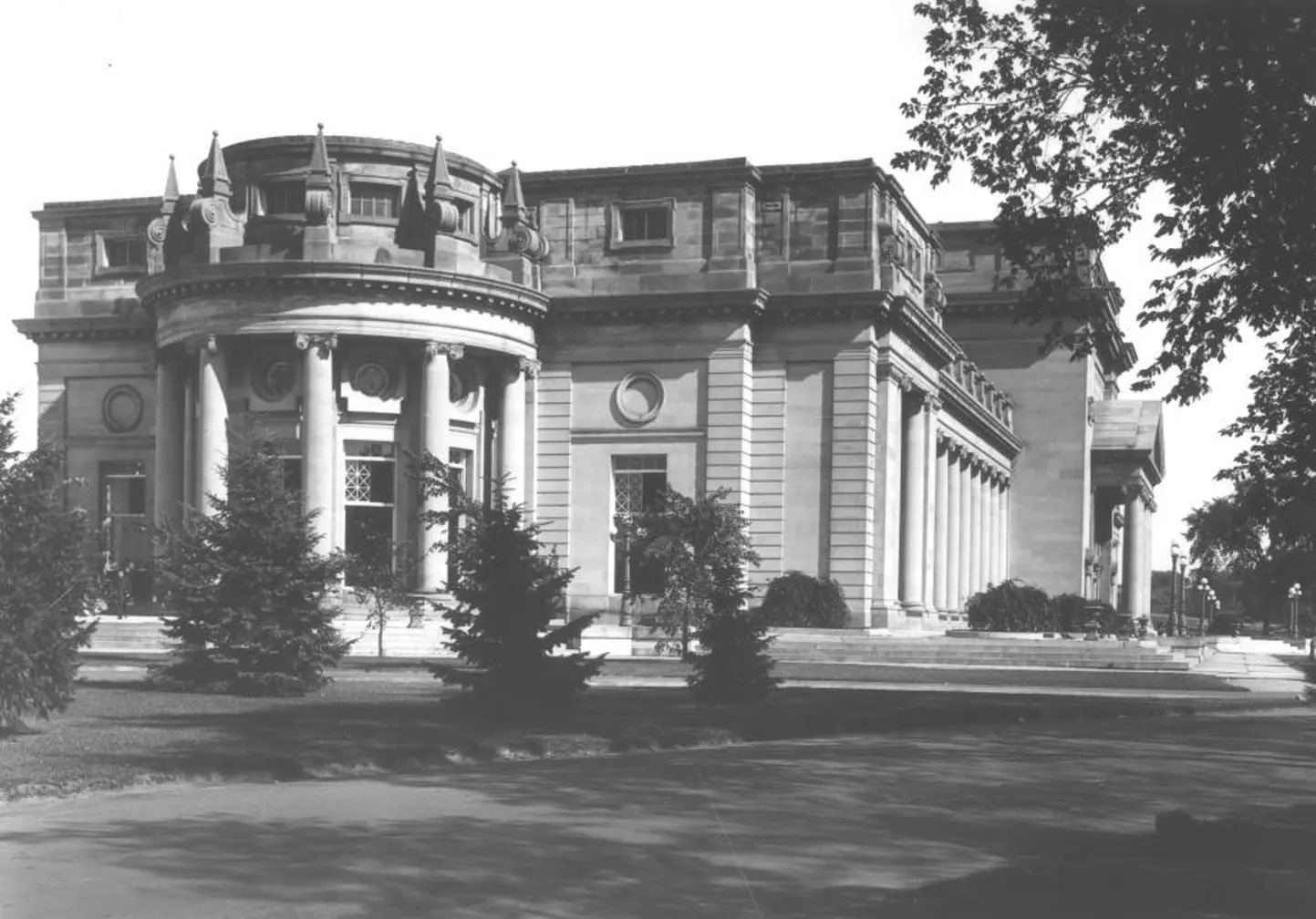
The development of the Toronto Power Generation Station started in 1903 and lasted a decade, with the powerhouse serving because the centerpiece of this monumental mission. Renowned architect E.J. Lennox, recognized for his iconic designs in Toronto, was commissioned to create a construction that may harmonize with its pure environment whereas exuding a grandeur befitting its goal.
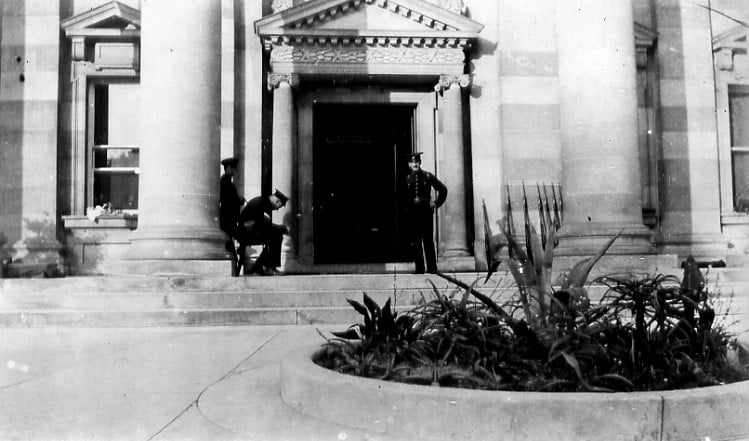
Lennox’s design embraced the Beaux-Arts fashion, a mix of classical and Renaissance architectural parts. The symmetrical plan of the powerhouse featured a central block with a commanding Ionic portico flanked by two prolonged Ionic colonnades. The use of limestone for the outside facade added to the station’s palatial look, seamlessly integrating it into the scenic panorama.
Engineering Marvels
Discovering the modern engineering options employed within the development of the Toronto Power Generation Station.
The Toronto Power Generation Station was not solely a masterpiece of structure but in addition a feat of engineering ingenuity. Engineers confronted quite a few challenges in adapting superior applied sciences to the demanding web site.
The coronary heart of the station lay within the wheel pit, a deep chamber housing the generators and mills. Vertical shafts linked the generators on the backside of the pit to the mills on the high. The water from the generators flowed by a brick-lined tailrace, finally returning to the Niagara River.
The development crews overcame obstacles with restricted instruments and assets, using dynamite, pickaxes, shovels, and literal horsepower. The course of concerned excavating the wheel pit, developing the tailrace tunnel, and making a submerged dam and penstocks. These elements needed to be meticulously coordinated to make sure the seamless operation of the facility station.
Hydroelectric Power Revolution
Unveiling the transformative impression of the Toronto Power Generation Station on the manufacturing and distribution of electrical energy.
The completion of the Toronto Power Generation Station marked a turning level within the utilization of hydroelectric energy in Canada. Its institution allowed for the provision of hydroelectric energy to the burgeoning metropolis of Toronto, revolutionizing its industries and enhancing the standard of life for its residents.
With a producing capability of 137,500 horsepower, the Toronto Power Generation Station turned a significant supply of electrical energy. It performed a vital function in powering factories, lighting streets, and fueling the expansion of Toronto’s economic system. The station’s operations contributed to the general modernization and electrification of Ontario.
Ownership and Expansion
Tracing the possession transitions and enlargement of the Toronto Power Generation Station.
The Electrical Development Company of Ontario initially owned the Toronto Power Generation Station. However, in 1922, Ontario Hydro, the provincial energy utility, acquired the station. Under Ontario Hydro’s stewardship, the station continued to offer electrical energy to Toronto and the encircling areas.
Recognizing the rising demand for energy, the station underwent expansions between 1913 and 1924. The preliminary 296-foot size was prolonged to 600 toes, accommodating further mills. By 1924, eleven mills had been in operation, reinforcing the station’s function as a serious energy producer.
End of an Era
Exploring the components that led to the closure of the Toronto Power Generation Station.
Despite its historic significance and memorable achievements, the Toronto Power Generation Station ceased operations on February 15, 1974. Ontario Hydro made the choice to divert the out there water assets downriver to the Sir Adam Beck Hydroelectric Power Stations in Queenston. Additionally, the plant produced electrical energy at a frequency of “25 Cycle,” which was not extensively used.
The closure marked the top of an period for the Toronto Power Generation Station. After almost seven many years of powering Toronto and contributing to the province’s industrial progress, the station fell silent.
National Historic Site Designation
Highlighting the popularity and preservation efforts for the Toronto Power Generation Station.
The Toronto Power Generation Station’s historic and architectural significance led to its designation as a National Historic Site of Canada in 1983. This recognition acknowledged its pivotal function within the growth of hydroelectric energy in Ontario and Canada, in addition to the modern software of Beaux-Arts design to an industrial setting.
In 2007, possession of the Toronto Power Generation Station was transferred to the Niagara Parks Commission. Structural assessments had been carried out to discover potential adaptive reuse choices for the vacant facility.
Urban Exploration and Heritage Tourism
The attract of city exploration and the way forward for the Toronto Power Generation Station.
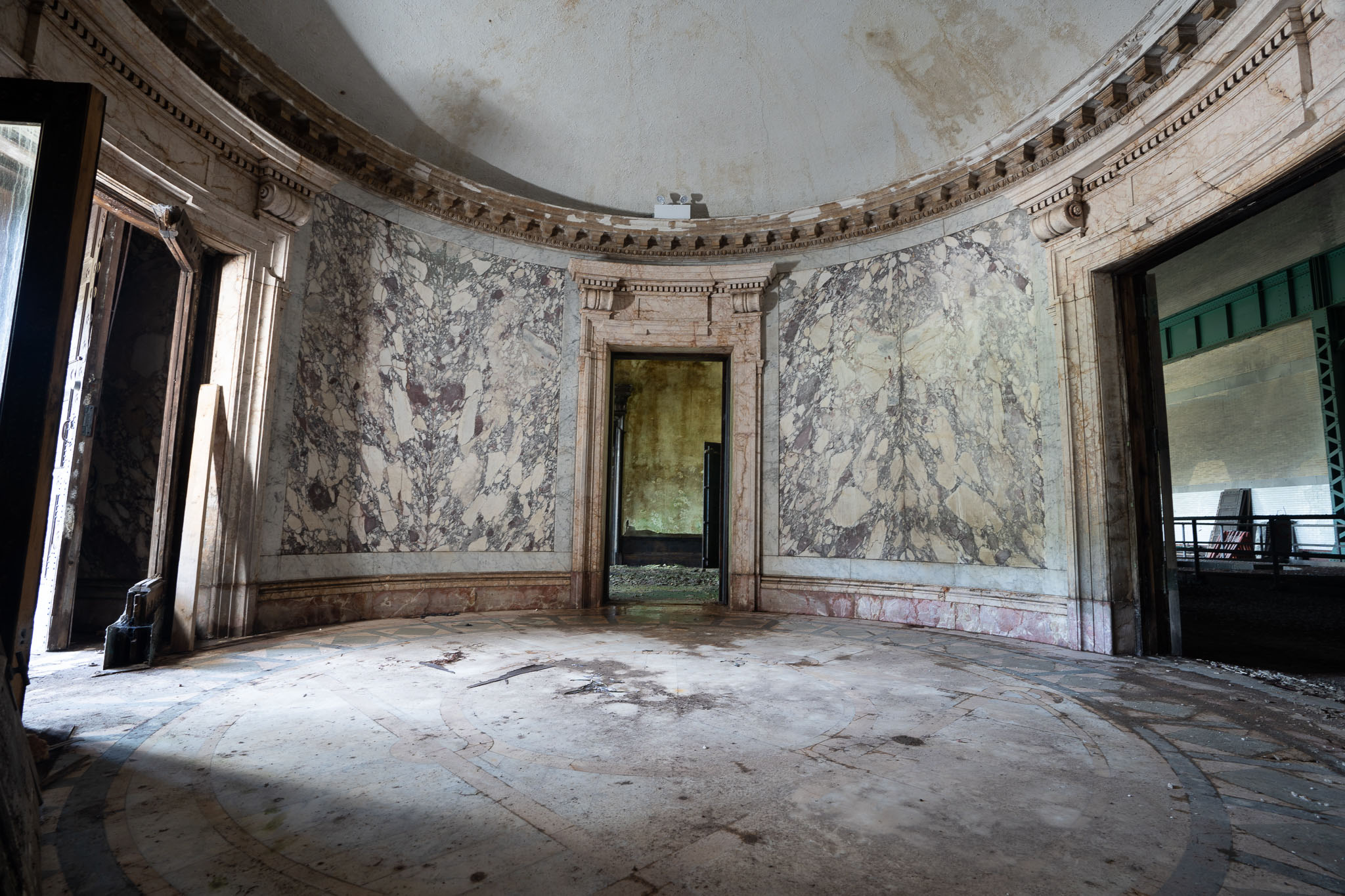
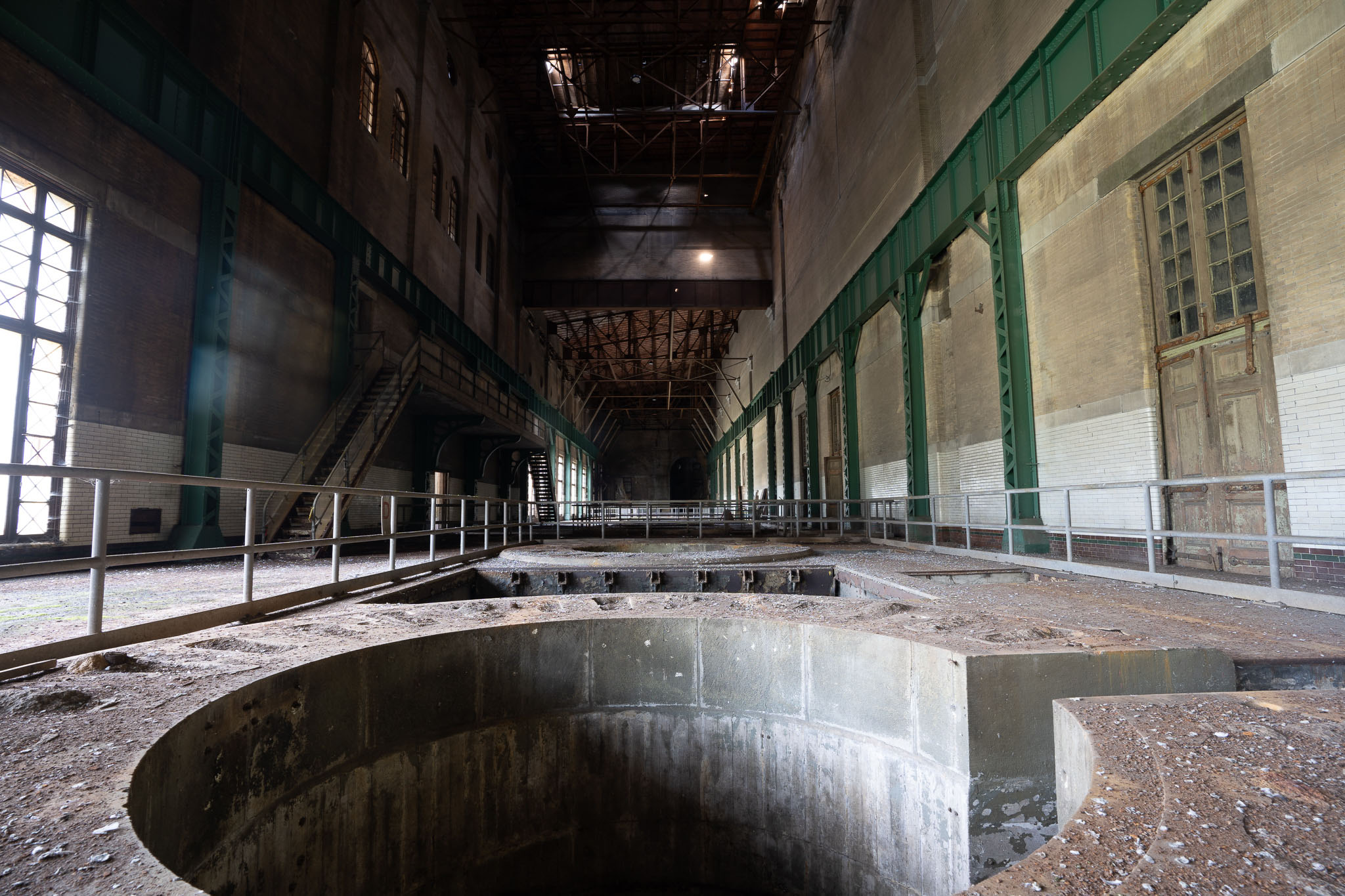
During its interval of emptiness, the Toronto Power Generation Station emerged as a magnet for city explorers. These daring people, deeply intrigued by this deserted marvel, had been keen to flout native legal guidelines, trespassing into the untouched construction to witness the remnants of its spectacular equipment and immerse themselves within the ambiance of a bygone period.
Recognizing the location’s potential, the Niagara Parks Commission totally explored the prospects for heritage tourism on the Toronto Power Generation Station and not too long ago accomplished a three-stage public procurement course of. This course of revealed Pearle Hospitality because the visionary proponent for the restoration and redevelopment of the historic station. The current settlement with Pearle Hospitality underscores the dedication to revive and revitalize the property, guaranteeing that its heritage will not be solely celebrated but in addition preserved for future generations.
Conclusion
Reflecting on the enduring legacy of the Toronto Power Generation Station.
The Toronto Power Generation Station stands as a testomony to Canada’s pioneering spirit and engineering prowess. From its daring architectural design to its modern engineering options, the station embodies the outstanding achievements of early hydroelectric energy era.
While the Toronto Power Generation Station might not generate electrical energy, its historic significance and architectural splendor continues to captivate. As a National Historic Site, it serves as a reminder of the transformative energy of electrical energy and the ingenuity of those that harnessed the would possibly of Niagara Falls to light up and empower a rising nation.