

You’ve nailed the flights, the resort, the itinerary. Summer trip is looking! But whilst you’re packing your swim trunks, scammers are packing their newest methods. Forget the old-school cons; they’ve gone digital, refined, and are actively concentrating on of us similar to you.
Think you are too savvy to fall for it? It’s time for a fast gut-check. Our rapid-fire quiz will see when you can spot the widespread traps. Master these, and we’ll instantly expose the model new scams you actually need to fret about.
You’ve noticed the basic cons, however essentially the most harmful scams are those you will by no means see coming. Here’s the intel you want for summer time 2025.
The New Playbook: 3 High-Tech Scams Targeting Savvy Travelers This Summer
You simply proved you possibly can spot the basic cons. The bracelet trick, the “broken” taxi meter, the spilled drink—these are the old-school hustles. But whilst you’ve been perfecting your protection in opposition to these, scammers have been busy upgrading their whole working system.
The recreation has modified. The new threats aren’t taking place on a road nook; they’re taking place in your cellphone. They are digital, refined, and designed to prey on our trendy habits. The basic scams had been kid’s play. Here’s the intel you want on the three new threats which can be actively concentrating on vacationers proper now.
The QR Code Bait-and-Switch
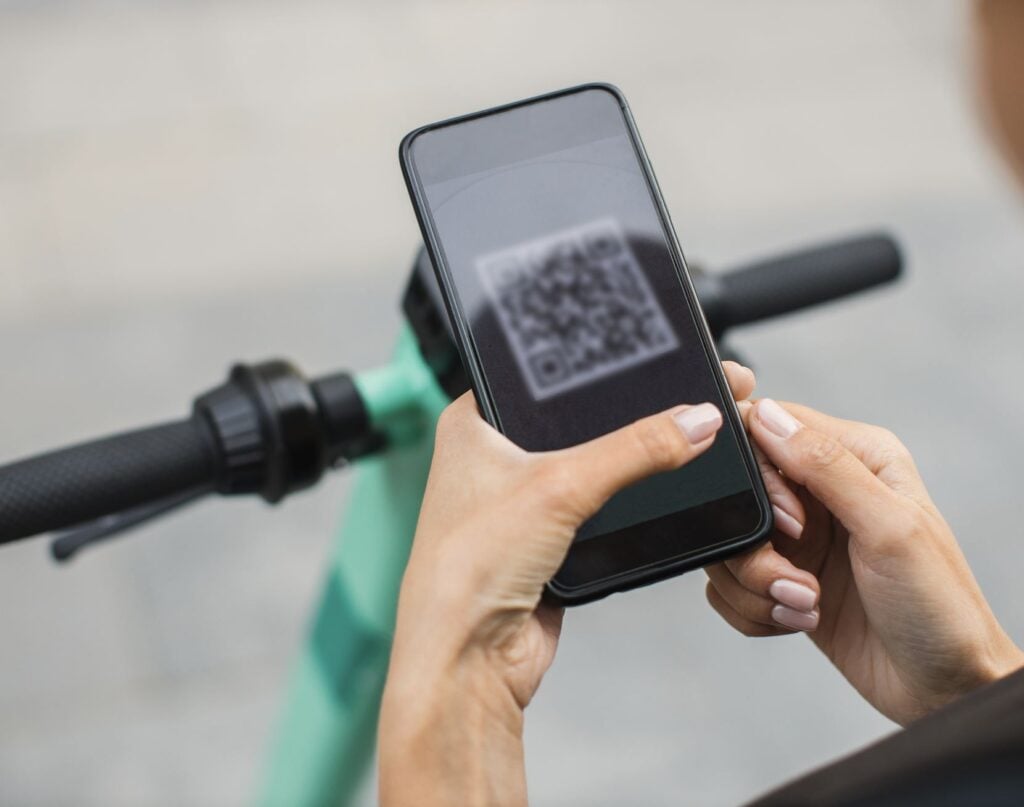
You’re standing in an attractive plaza in Europe, and there’s an e-bike rental signal beside a row of e-bikes with a QR code to “rent now.” You scan it, enter your bank card information on a professional-looking web site, and wait. Nothing occurs. You’ve simply handed your monetary knowledge on to a scammer.
How It Works: After years of being skilled to make use of QR codes for all the pieces from restaurant menus to museum tickets, we now belief them implicitly. Scammers exploit this belief by inserting their very own malicious QR code stickers over official ones in vacationer hotspots. A fast scan takes you to a phishing web site—an ideal clone of the actual firm’s web site—designed for one goal: to steal your fee data or login credentials.
The Fake “Official” Website Trap
How It Works: Scammers construct refined web sites which can be excellent clones of official authorities portals for necessary journey charges (like Quintana Roo’s Visitax) or authorizations (just like the UK’s ETA). They use Google Ads to rank above the actual web site. The rip-off works in 3 ways:
Massive Service Fees: They cost you the official price plus their very own outrageous “processing fee,” turning a $15 cost right into a $90 one.
Data Theft: They are harvesting your full title, date of start, and passport particulars for identification theft.
Issuing Fake Documents: You pay the price and obtain a totally nugatory, solid doc or QR code, which might trigger critical issues while you arrive at your vacation spot.
How to Beat It: While searching for a .gov area is an effective begin, many official worldwide portals do not use it, which is how scammers exploit the confusion. The solely approach to be 100% sure you might be on the official authorities web site is to make use of a verified hyperlink. That’s why we constructed the Travel Fee Checker device, which has the direct, official hyperlinks to the visa and price portals for over 40 international locations.

The AI Voice-Cloning Emergency
This is essentially the most terrifying rip-off of the brand new period. Your mom will get a name. The voice on the opposite finish is yours—indistinguishable from your personal—and it is in a panic. “Mom, I’ve been in an accident in Cancun. I’m at the police station, my phone is dying, and the ‘lawyer’ needs you to wire $2,000 for bail right now.” It’s your voice. It’s your terror. But it is not you.
This is not simply theoretical. The Federal Trade Commission (FTC) has issued pressing client warnings about this actual tactic, noting that scammers want just some seconds of audio from a social media put up to create a convincing clone. Real households have misplaced hundreds of {dollars} to those hyper-realistic calls, making it one of many fastest-growing and cruelest types of fraud as we speak.
How to Beat It: This is a rip-off you put together for earlier than you journey.
Establish a “Safe Word”: Agree on a singular, secret password or query along with your shut household. If they ever get a panicked name asking for cash, they need to ask for that phrase. A scammer won’t ever understand it.
Hang Up, Call Back: The golden rule. If you obtain a frantic name, grasp up instantly. Then, name the one you love again on their identified cellphone quantity. If they do not reply, strive messaging them or contacting a buddy they’re touring with. Never, ever ship cash primarily based on an incoming name alone.

The recreation has modified. The threats vacationers face are not nearly a hand in your pockets in a crowded road; they’re a few click on on the unsuitable hyperlink or a voice in your cellphone. What all these new scams have in widespread is that they exploit our belief within the know-how we use day by day. But by understanding this new digital playbook, you’ve got already constructed your finest protection. You’re not only a vacationer—you’re a ready, savvy, and trendy traveler, prepared for regardless of the journey throws at you.
The Savvy Traveler’s Toolkit
This article is only one a part of our mission to make you a safer, smarter traveler. You can discover our full suite of unique instruments for vacationers on our official Travel Off Path Tools Page or start exploring extra under.
The Travel Off Path Advantage: Your Travel Toolkit
Subscribe To Our Latest Posts