

2
By Allison Torres Burtka
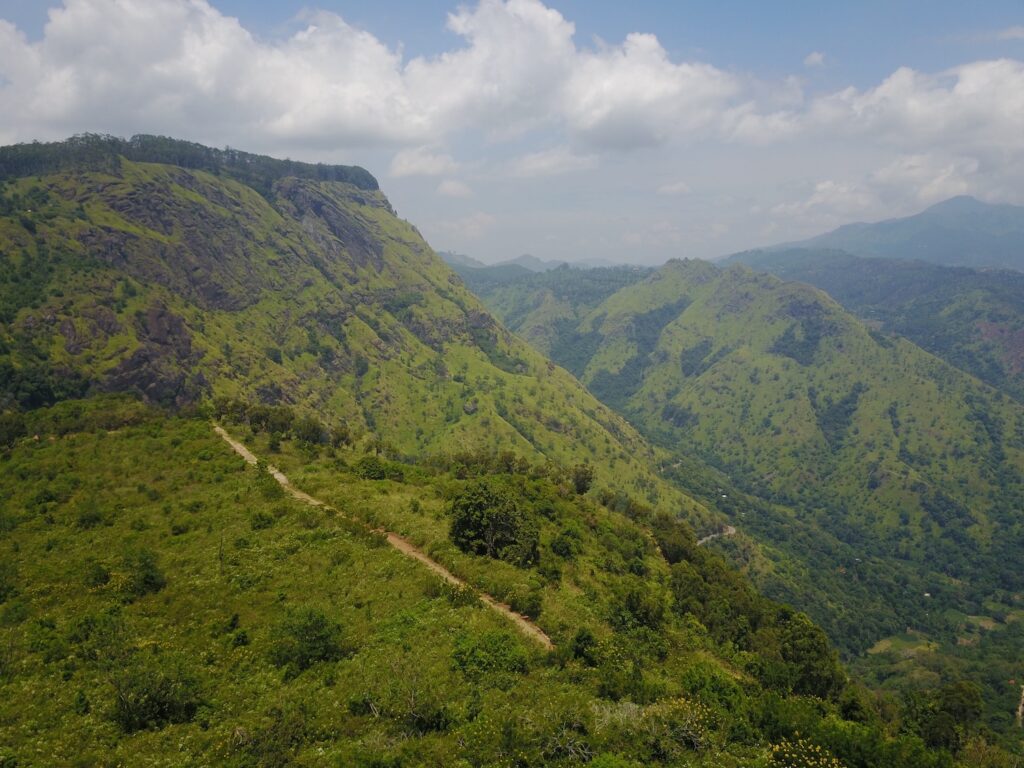
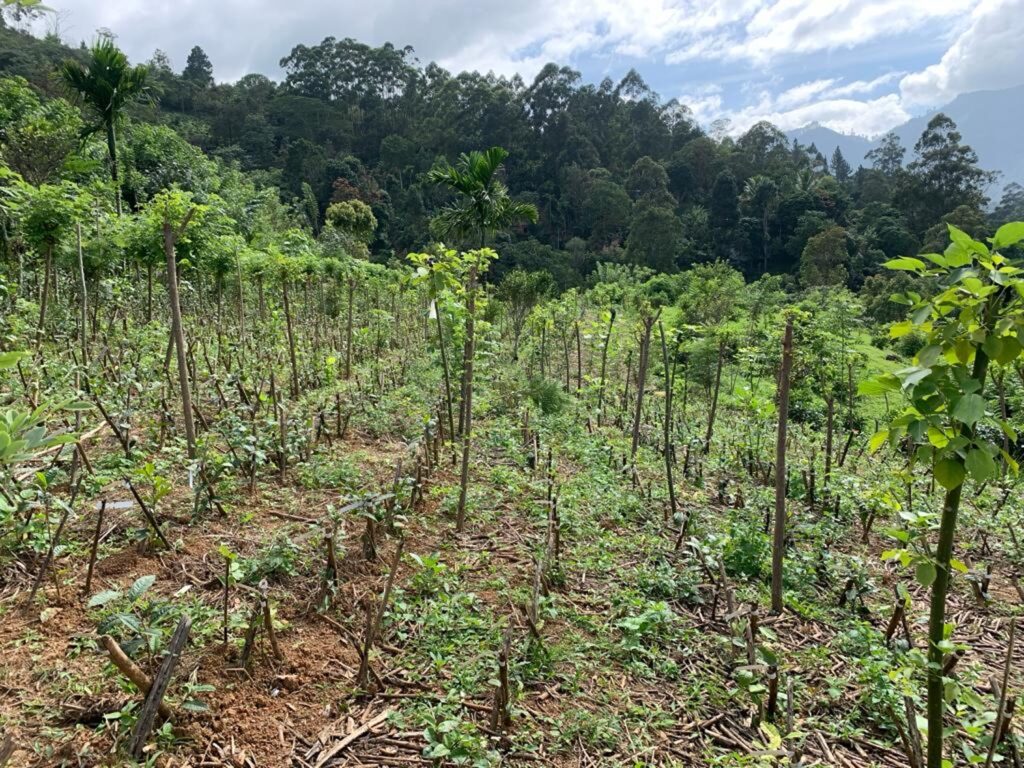
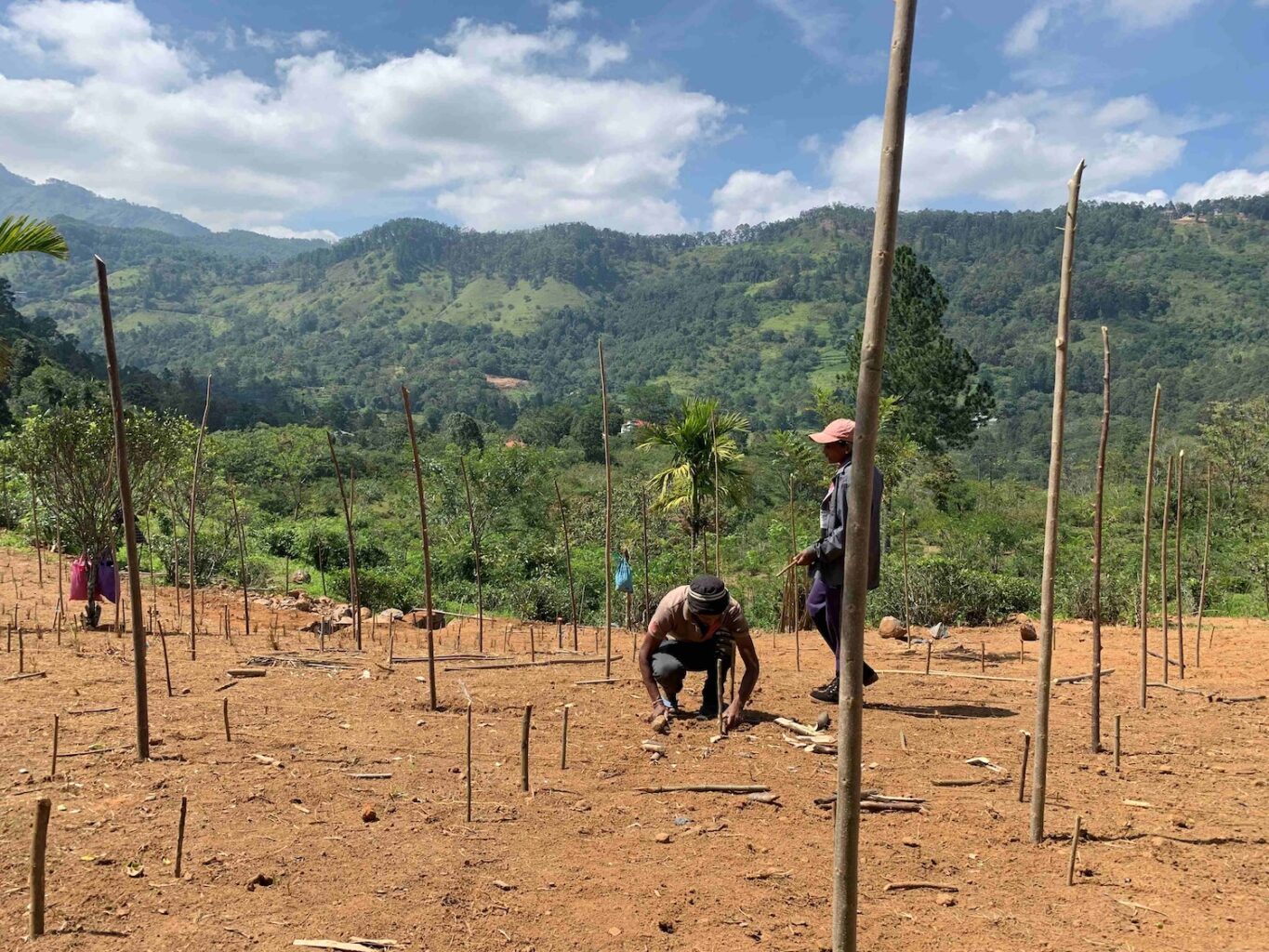
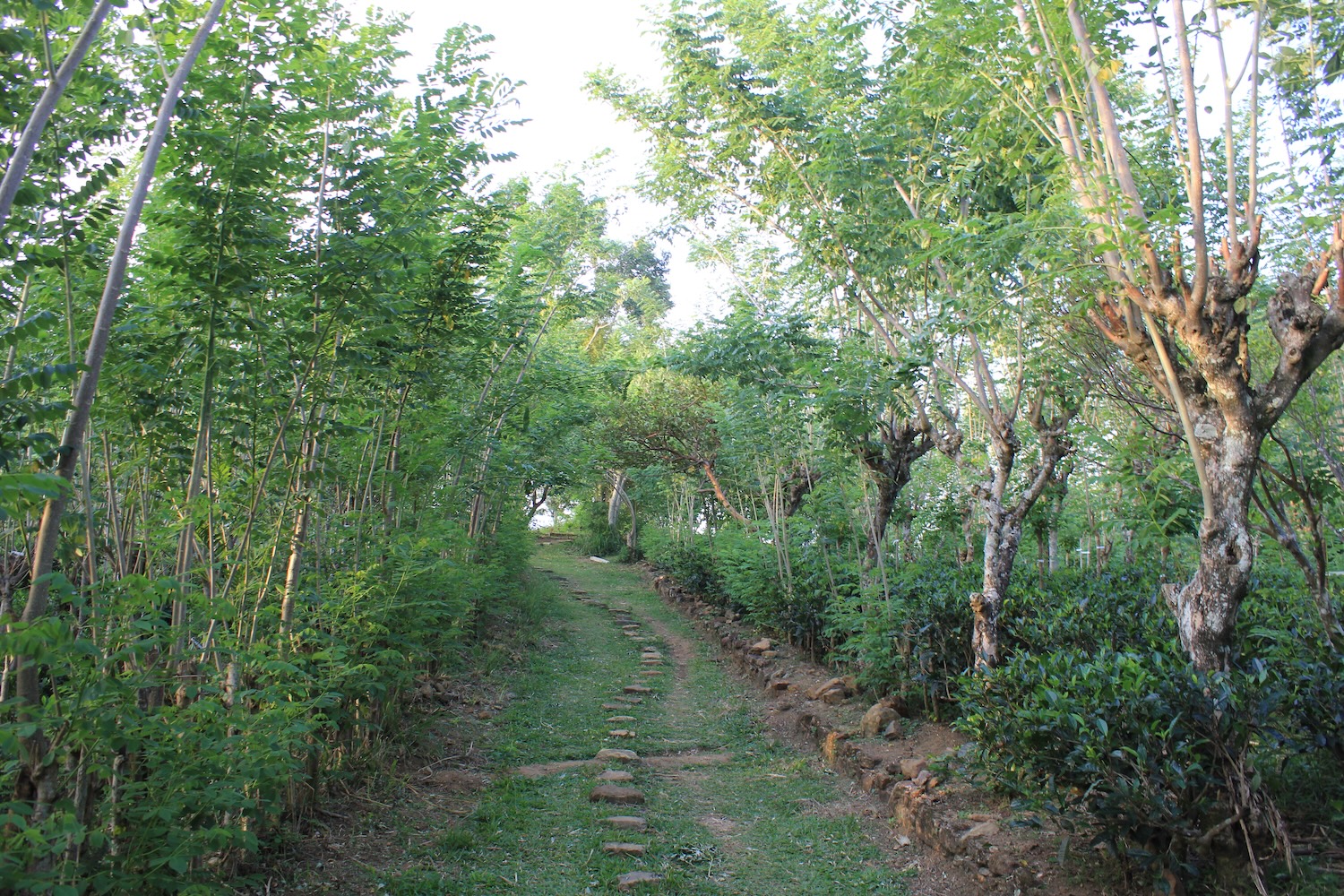
I’m strolling via the grounds of an natural tea farm and property within the Uva highlands of Sri Lanka. I step rigorously via a subject of low-lying tea crops which are interspersed with seemingly random skinny, taller crops. But the property supervisor, who’s displaying me round, factors out the tags on the taller ones. They’ve been planted just lately.
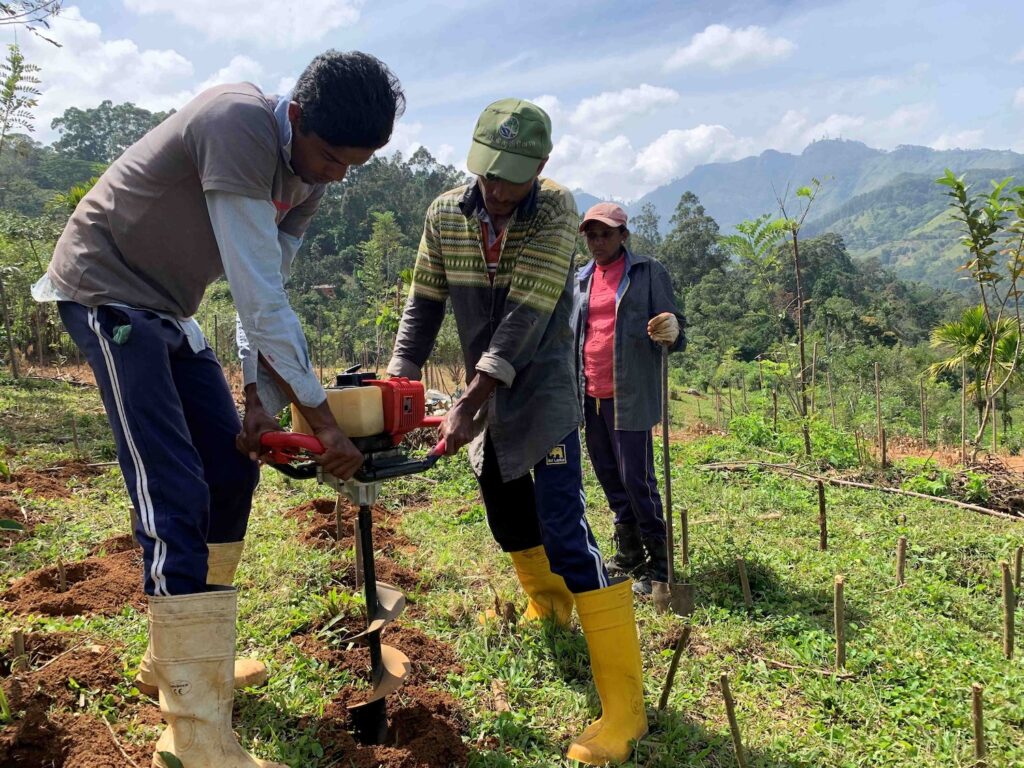
These bushes are both native species chosen to shade the tea crops, an agroforestry observe that additionally enriches the soil, or they’re fruit-bearing bushes that may increase the farm’s manufacturing of mango, avocado, and different crops, which fuels the property’s strong neighborhood improvement work.
Tree planting is inherently an excellent factor. But past sequestering carbon and reforestation, tree planting may help uplift struggling communities—in the event that they’re true companions within the course of. Adventure journey operator G Adventures, together with neighborhood tourism nonprofit Planeterra, has planted greater than 3.8 million bushes at 20 websites all over the world to learn communities in measurable methods, from creating jobs to empowering small companies.
This initiative, known as Trees for Days, crops a tree for day by day a traveller is on a G Adventures tour. It works with neighborhood companions to determine what sort of tree planting undertaking would most profit the individuals who dwell the place G Adventures travels. When tree planting is that this considerate, the potential social, financial, and environmental advantages are enormous.
 Courtesy G Adventures
 Courtesy G Adventures
 Courtesy G Adventures
Many of those communities are feeling the results of local weather change, so G Adventures needed to take motion—however not via carbon offsets.
“It seemed the primary response that most responsible tourism companies were having was—to put it in rather frank terms—to hire Northern, white consultants or companies to measure their carbon footprint and then pay for offsets,” says Jamie Sweeting, president of Planeterra and vp of social enterprise and accountable journey at G Adventures. “We were like, well, there seems to be a bit of a climate injustice in this.”
So they took a unique route. Looking on the juxtaposition of local weather, biodiversity, neighborhood, and tourism, they aimed to create a regenerative answer that works with communities, a lot of that are indigenous and rural.
Planting native bushes in deforested areas can scale back landslides and drought, recharge aquifers, and restore ecosystems. Planting and sustaining the bushes, and harvesting crops from a few of them, creates jobs and raises native incomes. The initiatives additionally help the neighborhood companions’ broader work in schooling and well being, they usually assist folks safeguard their cultures. “There’s a health and well-being piece to it and a climate justice piece to it as well,” Sweeting says.
A Sustainable, Organic Farm in Sri Lanka
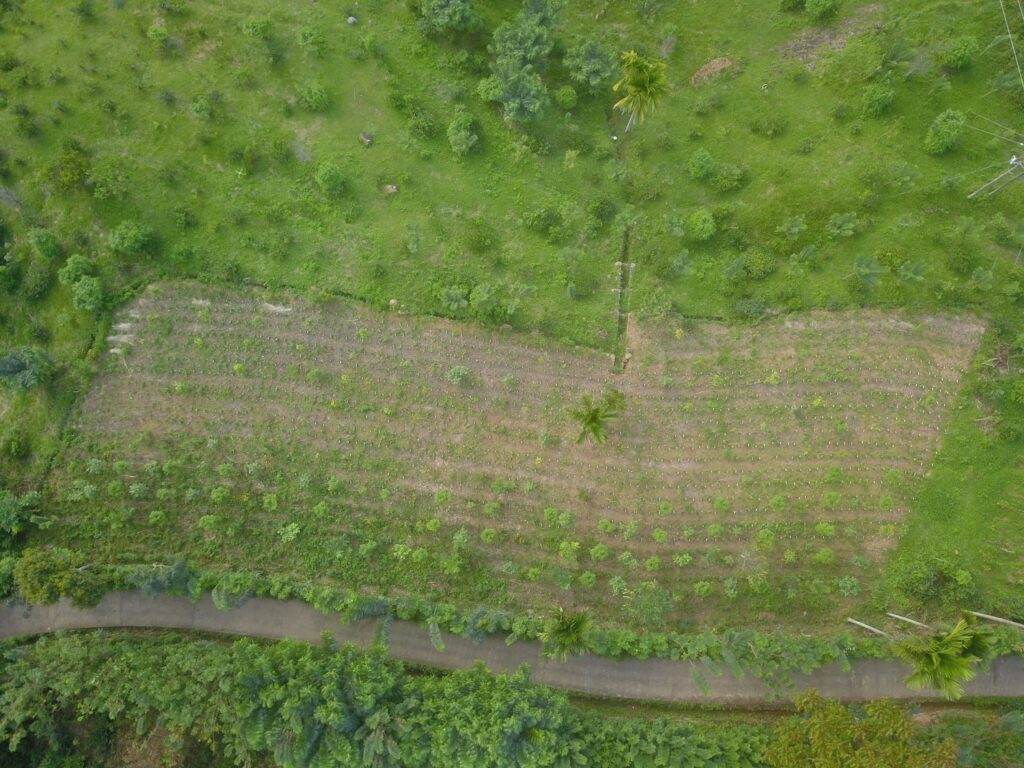
While on a G Adventures journey, I noticed this strategy in motion on the natural tea farm in Sri Lanka, known as Amba Estate. Through Trees for Days, 38,000 bushes have been planted at Amba, each in beforehand deforested areas and among the many farm’s crops.
“In Sri Lanka, one of the biggest problems is there’s too much rain for periods of the year, and there are landslides and topsoil being washed away—and not enough rain in other periods of the year. So more forest cover enables us to retain soil and prevent landslides, but also retain water for the drier seasons,” says Simon Bell, managing director of Amba.
When the brand new bushes are planted among the many tea crops, the tea fields don’t seem like a good carpet of inexperienced—they give the impression of being extra like forests, Bell says.
 Courtesy G Adventures
 Courtesy G Adventures
 Courtesy G Adventures
Trees for Days has created the equal of 10 full-time positions. Amba Estate’s mission is to extend financial alternatives for the native folks, and up to now 10 years, it has raised employees’ wages greater than tenfold. It shares 10% of its income with its workers. It began a chutney collective that equips native girls to be entrepreneurs. It helps fund medical visits and English courses for youngsters after faculty.
Amba Estate hosts vacationers in visitor homes, serving natural meals that’s both grown on website or sourced from native folks. The farm’s cows have been rescued. (I bought to see a newly born calf!)
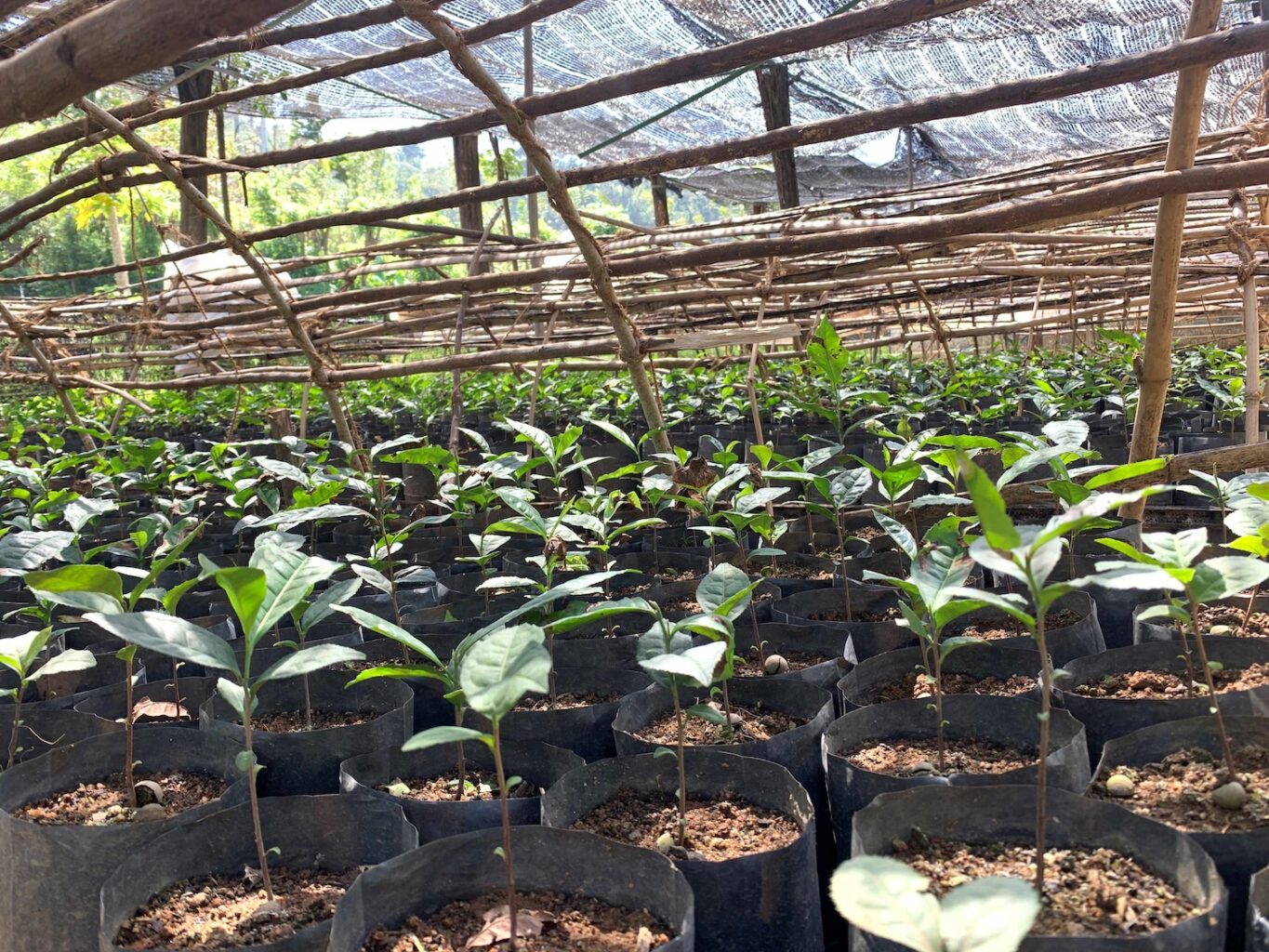
Along with the bushes it crops, Amba grows espresso seedlings and distributes them to anybody locally who needs them. They practice the recipients on methods to develop the bushes and earn cash promoting espresso beans and cherries, typically to Amba. The property works to convey extra tourism to the realm and to develop high-value merchandise, like its award-winning artisanal teas, to export from it.
Trees Around the World
In all the 20 websites the place Trees for Days operates, the neighborhood profit is central.
“What we’ve done is picked organizations out there that have a record of having focused on community-led tree planting activities that benefit communities directly,” says Thomas Armitt, senior supervisor of initiatives and partnerships at Planeterra Foundation. “This is everything from mitigating soil erosion, improving the yield of crops through sustainable agroforestry, sustainable harvesting of non-timber forest products like fruits, nuts, and medicinal plants, and protecting watersheds.”
Another instance, on an even bigger scale than Amba, is the 450,000 bushes planted within the Ihorombe area of Madagascar to fight deforestation. “Our reforestation site is close to a river, but at the end of the dry season, this river is completely dry,” so ingesting water should be trucked in, says Jacob Ter Veen, cofounder of the group Soa Zara. “We plant the trees to create forests. These forests will attract rainfall, so you’ll have more water coming down and being able to be absorbed by the soil.”
The river has develop into drier lately. “Now, when people do the laundry in that river, it’s a lot more damaging to the ecosystems than before,” Ter Veen says. So Trees for Days helped construct a wash station with a water tower within the village, which collects, filters, and reuses the water. It additionally funds faculty canteens.
 Courtesy Allison Burtka
 Courtesy Allison Burtka
 Courtesy Allison Burtka
The 3.8 million bushes that Trees for Days has planted all over the world connect with folks’s livelihoods and well-being. Some of those initiatives uplift youth and ladies specifically.
“Young people are gaining valuable skills and meaningful work in tree nurseries and restoration activities, which helps keep them engaged locally and reduces the pressure to migrate elsewhere. At the same time, women are stepping into leadership roles, influencing decisions and benefiting economically from these initiatives,” Armitt says. “Alongside these social gains, we’re seeing early environmental benefits such as improved soil health and reduced erosion.”
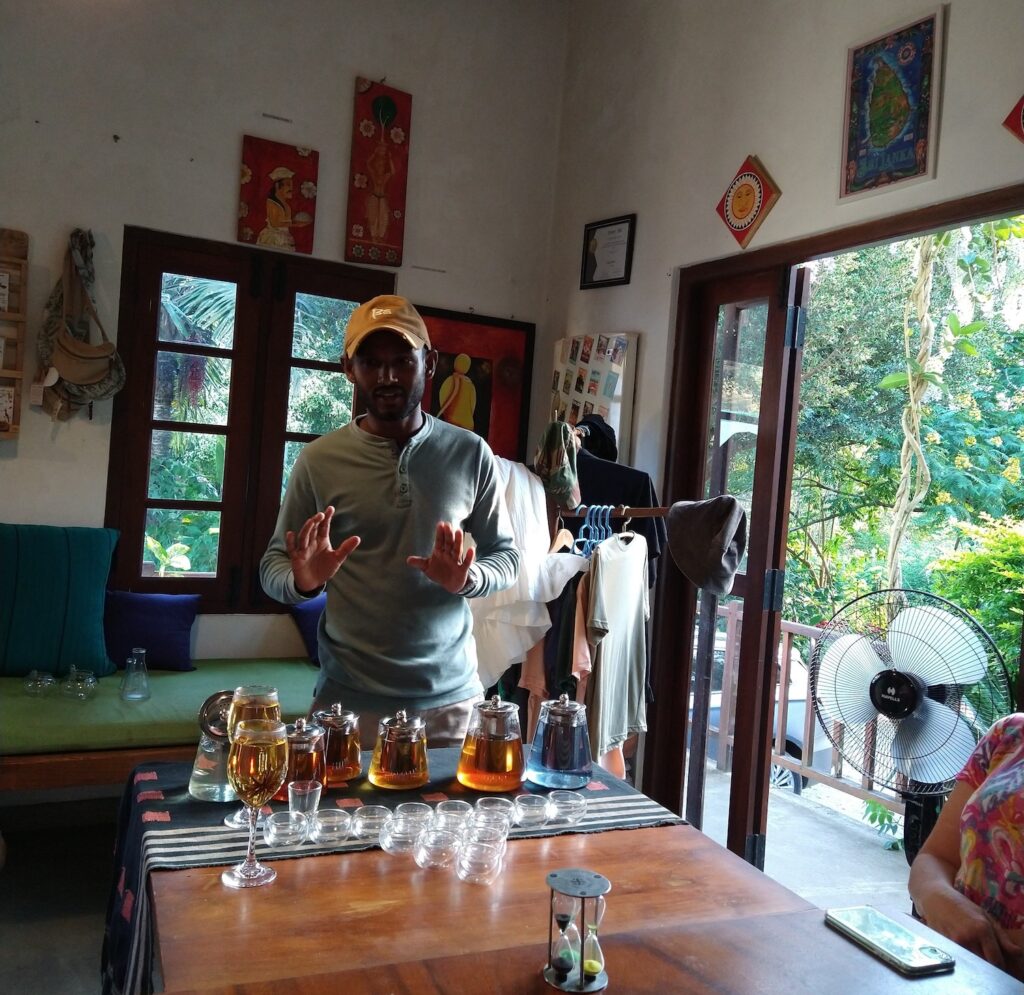
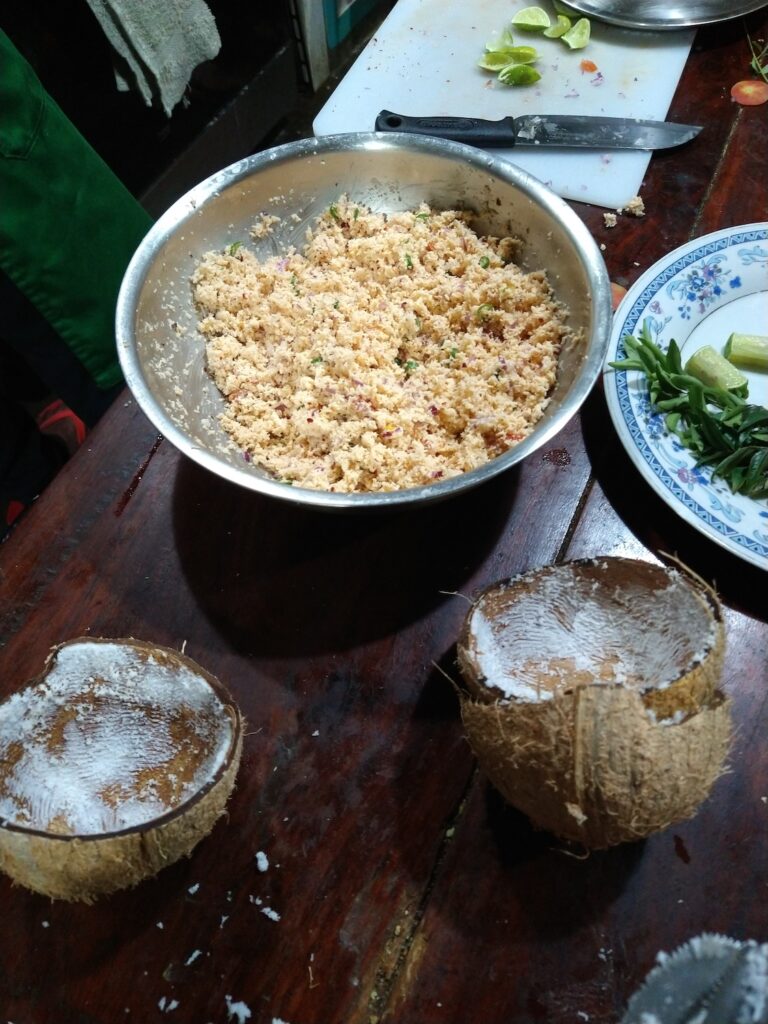
For me, spending time at Amba was restorative. I felt immersed within the lush panorama and nourished by the natural meals—among the most scrumptious meals I’ve ever eaten. The tea I purchased got here in cloth luggage made by girls recovering from psychological sickness at a midway dwelling. I realized methods to prepare dinner conventional Sri Lankan meals from a chef who had additionally led my group on an 11-mile hike earlier that day. The expertise was worlds away from staying at a typical resort.
Trees for Days’ strategy multiplies the advantages of planting bushes. And it makes tourism much less extractive and extra regenerative.