

The birthplace of the Grimm brothers, and a culturally wealthy nation with centuries upon centuries of gathered historical past, Germany is without doubt one of the most sought-after locations for Americans heading throughout the pond.
The downside is, once they journey to locations like Berlin, Frankfurt, or Munich, they’re usually imagining Disney-like fairytale settings. Instead, they discover S-Bahns, industrial structure, late-stage libertarianism, and the thrill of big-city life.
For the medieval Deutschland, with the half-timbered homes and cobbled streets, you may wish to skip the massive cities and take a look at these 4 secret German locations as an alternative:
Schwerin
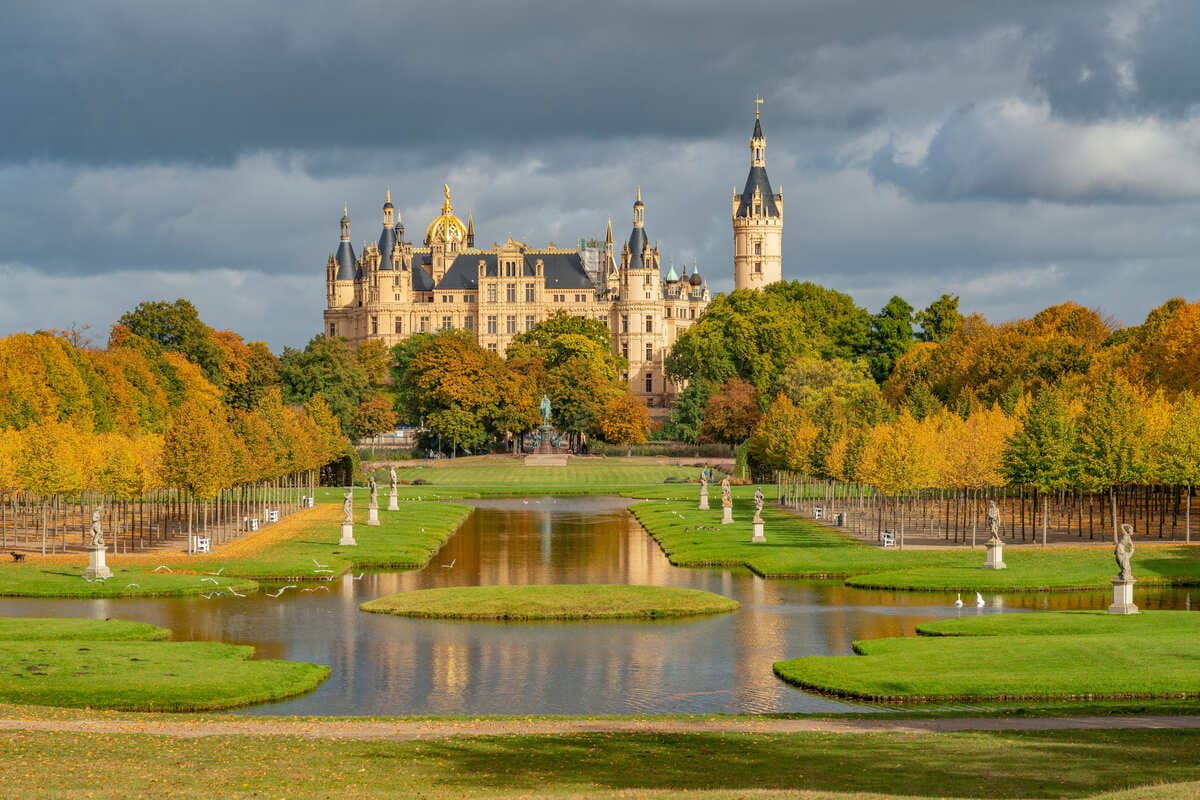
The compact capital of the northern German state of Mecklenburg-Vorpommern, Schwerin is a traditionally important metropolis surrounded by over a dozen lakes, and greatest distinguished by its fairytale, Cinderella-esque Schwerin Castle:
Called the Neuschwanstein of the north, it occupies an island ringed by lush landscaped gardens and serene waters, and although it is the official seat of the native authorities, its opulent chambers and internal courtyards are open to guests for round $9.70.
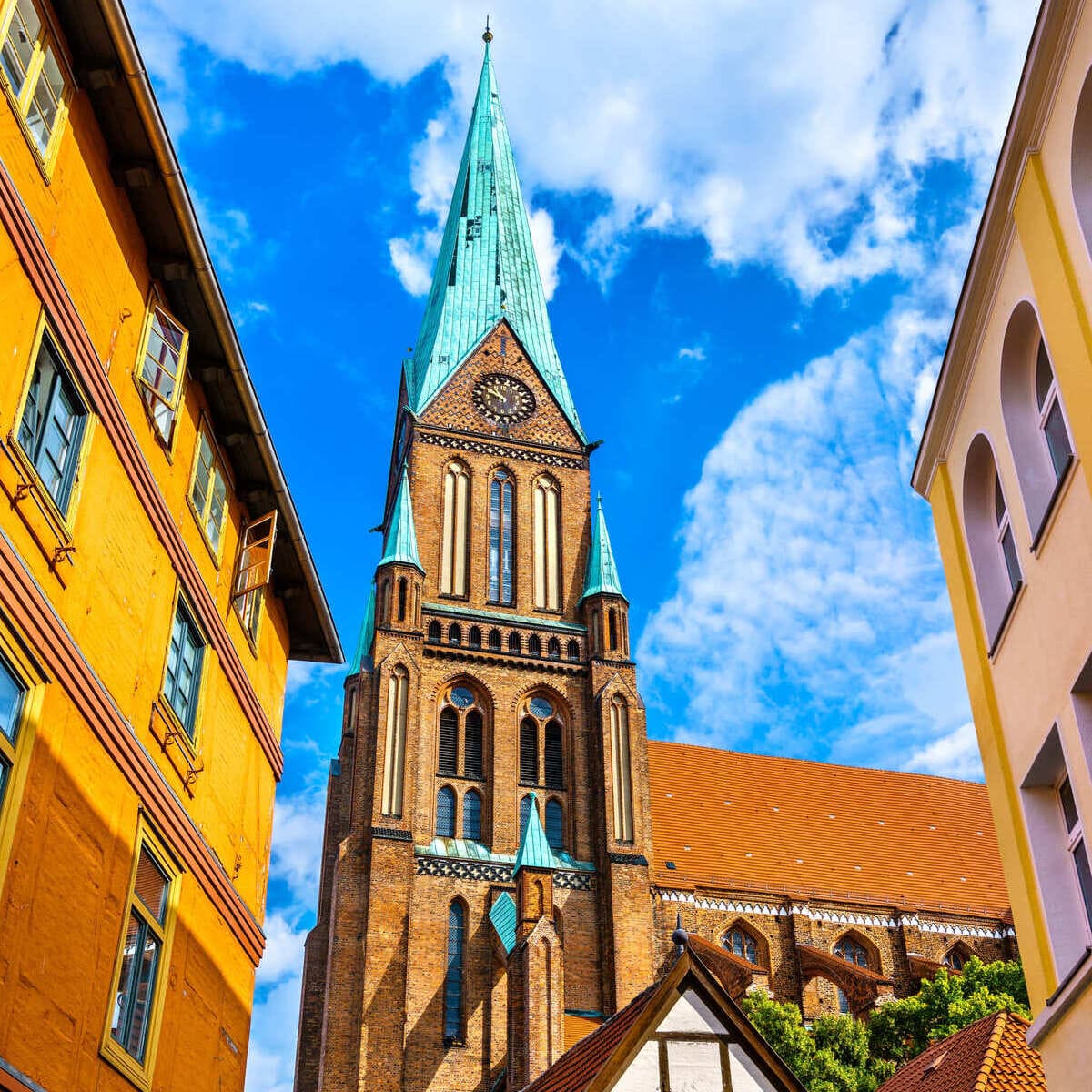
Aside from the fort, which has just lately develop into Germany’s latest UNESCO World Heritage Site, Schwerin’s Old Town has an unusually well-preserved medieval structure that wasn’t considerably broken in World War II.
Picture cobbled streets, half-timbered homes, and an imposing Schweriner Dom, the cathedral and predominant landmark within the Altstadt, that dates again to the thirteenth century. Most importantly, far fewer crowds, if any in any respect, and a extra laid-back, lived-in really feel.
Meissen
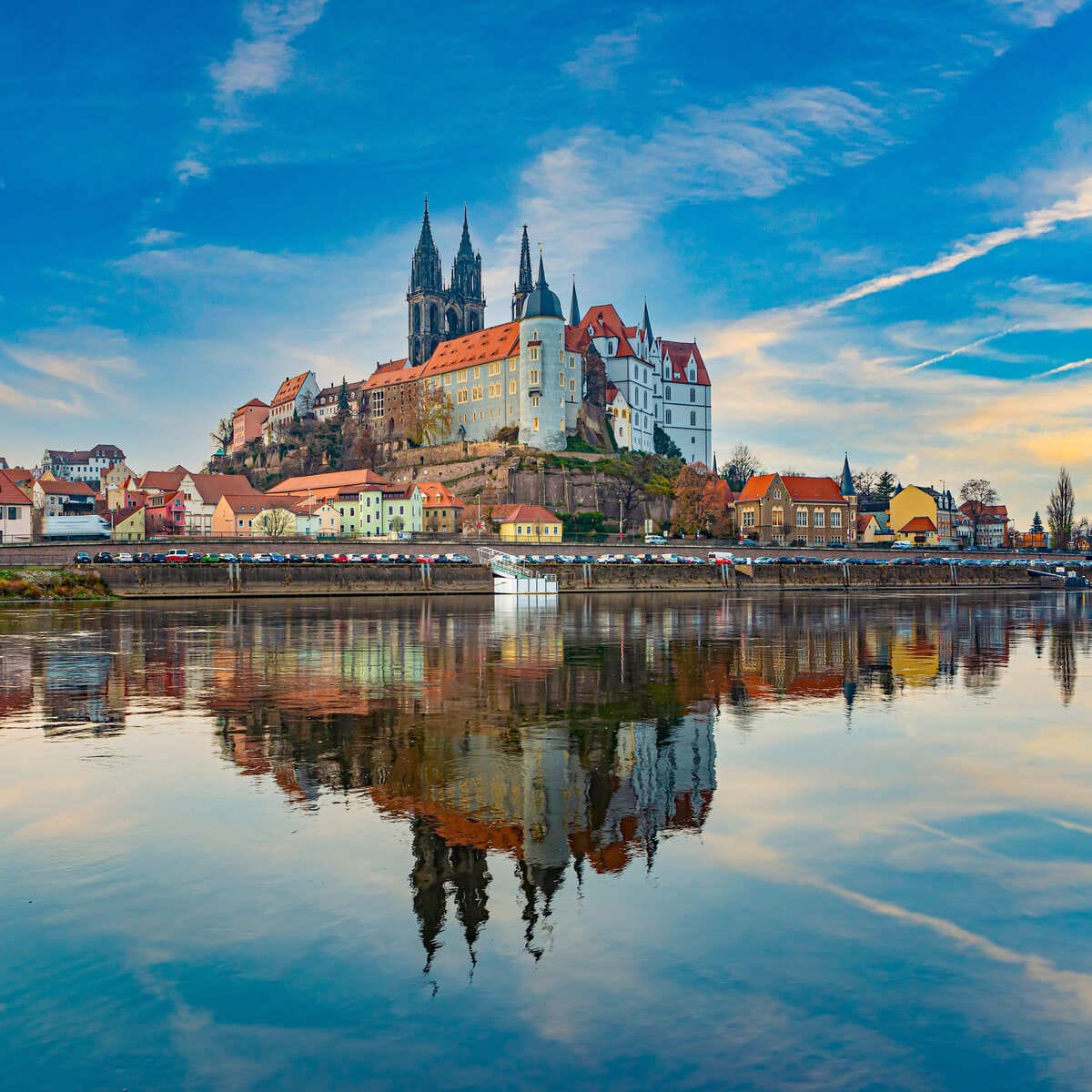
Straddling the river Elbe River in Saxony, Meissen is the textbook instance of a German medieval settlement that has not been obliterated following the 2 World Wars, and it is nonetheless perfectly-preserved—in stark distinction with Dresden, solely half-an-hour drive away, that was largely rebuilt.
Its maze-like Altstadt, criss-crossed by slender pathways, is dominated by the Albrechtsburg, a Fifteenth-century fort sitting on a hill overlooking the Elbe. With a whitewashed exterior and hovering towers, it appears like a Walt Disney sketch dropped at life.
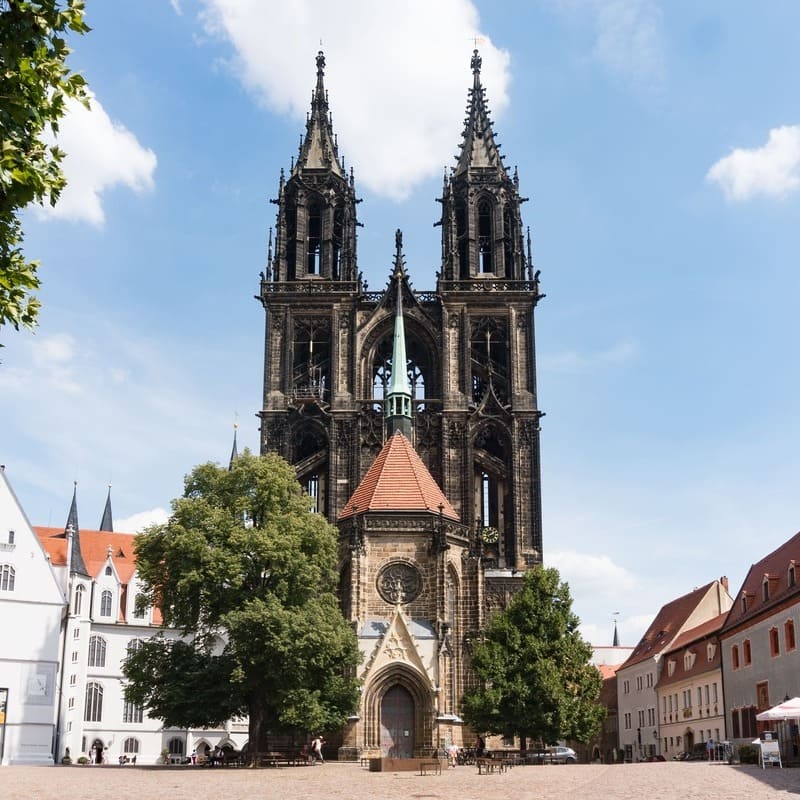
Right beside the fort, sharing the identical hilltop, there stands Meißner Dom, Meissen’s imposing Gothic cathedral, whose twin spires might be seen from afar, and the place a number of Saxon kings and princes are interred.
Other than its architectural wealth, Meissen is understood for its centuries-old porcelain manufacturing: the oldest porcelain manufacturing unit in Europe was based right here in 1710, and don’t be concerned, there’s loads of boutique outlets round city the place you may browse Rococo-inspired porcelain souvenirs.
Quedlinburg
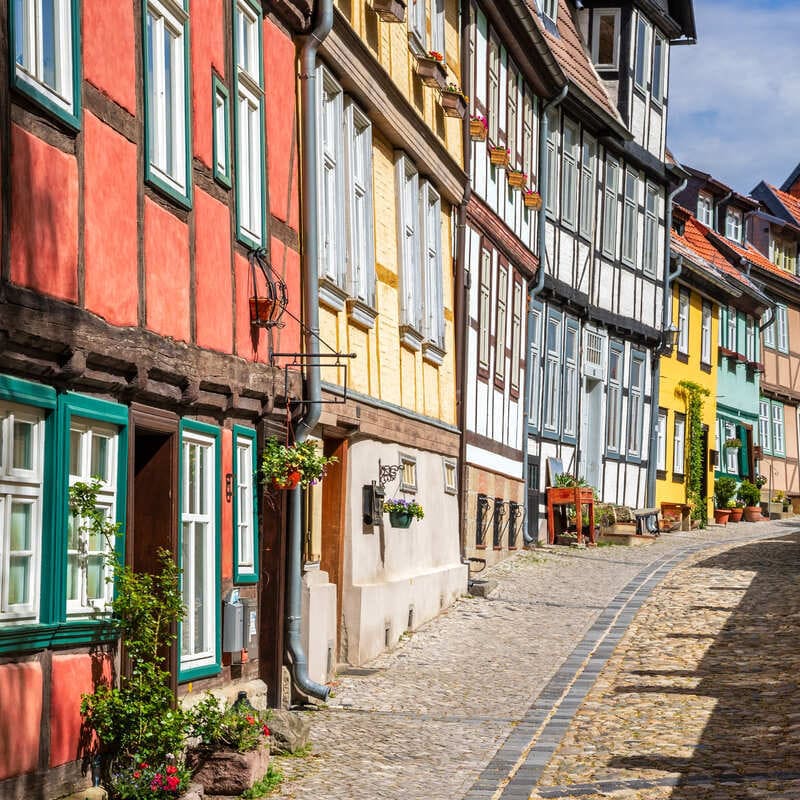
Tucked away within the hinterlands of Saxony-Anhalt, Quedlinburg is, equally to the opposite two, a uncommon instance of a sleepy German city that was left untouched by the World War II devastation, and a UNESCO-listed gem comprising over 1,300 timbered dwellings.
In different phrases, at each nook you flip, down each winding alley, and in each public sq., you will discover attractive examples of medieval, crooked townhouses that look basically frozen in time, all painted in vibrant colours.
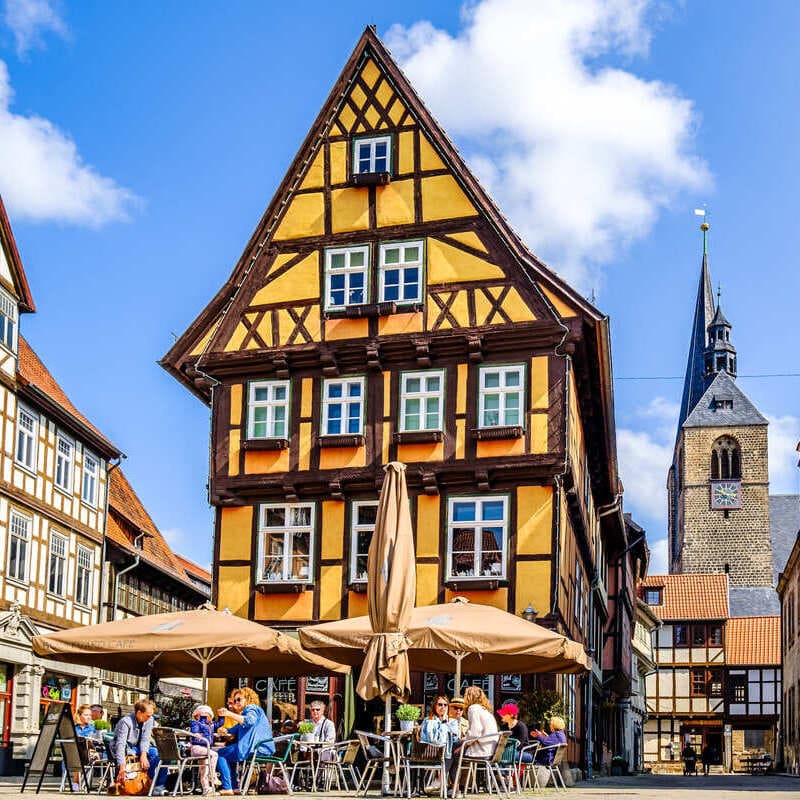
Quedlinburg additionally has a fort, as customary, and we should add that it is considered one of Germany’s most spectacular, together with the Tenth-century tomb of infamous German king Henry I, in addition to the Collegiate Church of St. Servatius, so outdated that it precedes the Middle Ages.
For the prepare lovers, staying 2 or 3 days would provide the alternative to journey on the Selketalbahn, a heritage steam railway connecting Quedlinburg to Hasselfelde through the Harz Mountains. At your vacation spot, epic mountain views and delightful hikes await, and round-trip fares begin from solely $45.
Freiburg im Breisgau

Over in Western Germany, on the sting of the Black Forest, Freiburg im Breisgau is a picture-perfect metropolis centered round a labyrinthine Old Town, made up of hidden passageways and cafe-bordered squares, and sprinkled with medieval monuments.
The most placing one is, with out query, the Münster, or Freiburg Cathedral. It could have sustained important harm within the final World War, nevertheless it’s now been totally renovated, and you’ll climb its 381-foot-tall bell tower for panoramic views of the enduring gabled roofs beneath.

Other must-sees embrace the Schwabentor and the Martinstor, two gates that survived the destruction of Freiburg’s once-impressive metropolis partitions. The coolest factor is {that a} fashionable tramway now passes by way of the gates, offering nice picture spots.
We would usually advise you to look at your step in any cobble-paved European city, however in Freiburg, you must watch out for the bächle: these 8 to 12-inch-wide channels are discovered all around the historic middle, operating alongside predominant thoroughfares and backstreets, carrying contemporary water from the Dreisam River.
Why must you watch out? Well, in accordance with native legend, for those who by accident journey over a bächle, you are destined to marry a Freiburger.
Given how stunning this metropolis is, perhaps being caught right here without end is not essentially a nasty factor.

The Travel Off Path Advantage: Your Travel Toolkit
Subscribe To Our Latest Posts