

Mexico City, a vibrant metropolis of tradition and fascinating experiences, typically tops the journey want lists for American explorers. But not too long ago, a darker undercurrent has emerged. Tensions in Mexico City towards vacationers have been rising, leading to hanging and unsettling incidents. These escalating considerations have now led the U.S. Embassy to subject a safety alert for the Mexican capital.
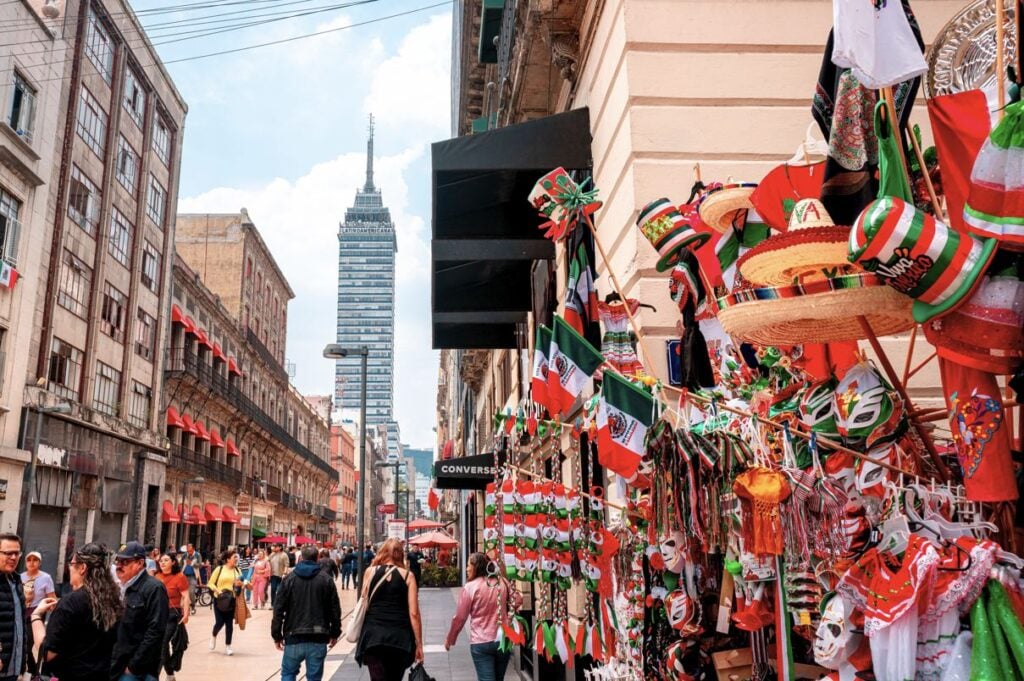
This is not your typical security warning about petty crime. This advisory hints at underlying tensions that would influence guests, urging U.S. residents to train warning and keep knowledgeable. For savvy vacationers, understanding the total image behind such alerts is essential to navigating their journey safely and confidently.
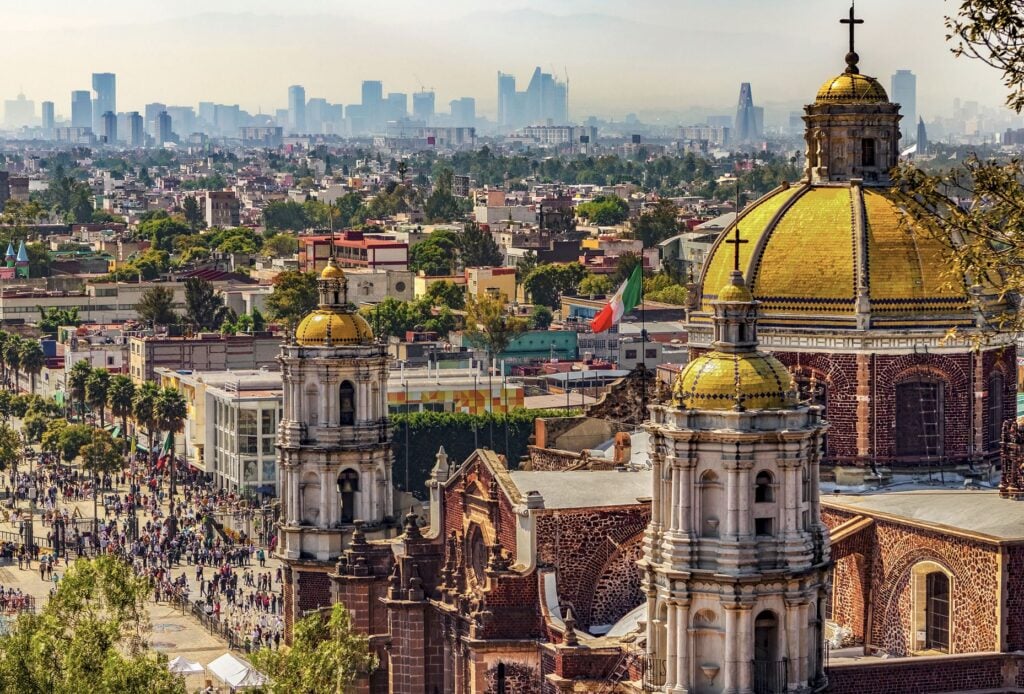
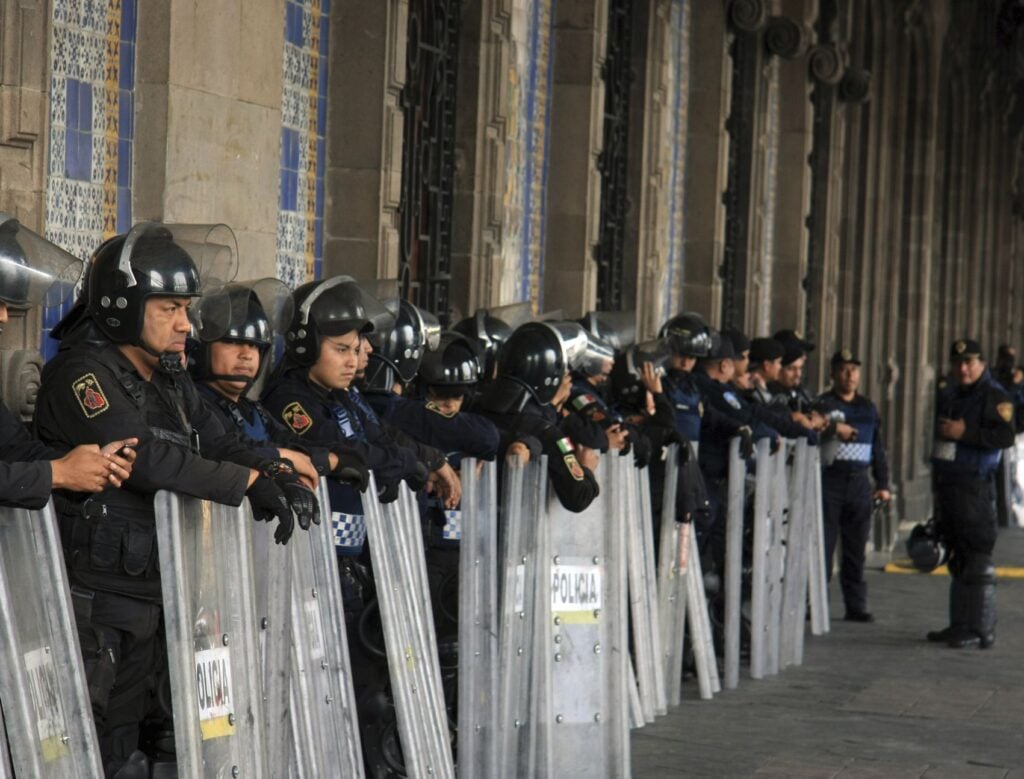
The U.S. Embassy’s latest advisory particularly warns about deliberate demonstrations anticipated on Sunday, July 20, beginning at 3:00 p.m., within the Tlalpan space, between Fuentes Brotantes and El Caminero. This marks the second deliberate protest of its variety, following a earlier demonstration within the common Roma and Condesa neighborhoods on July 4. That earlier occasion noticed some individuals interact in property vandalism and throw rocks at people perceived to be foreigners.
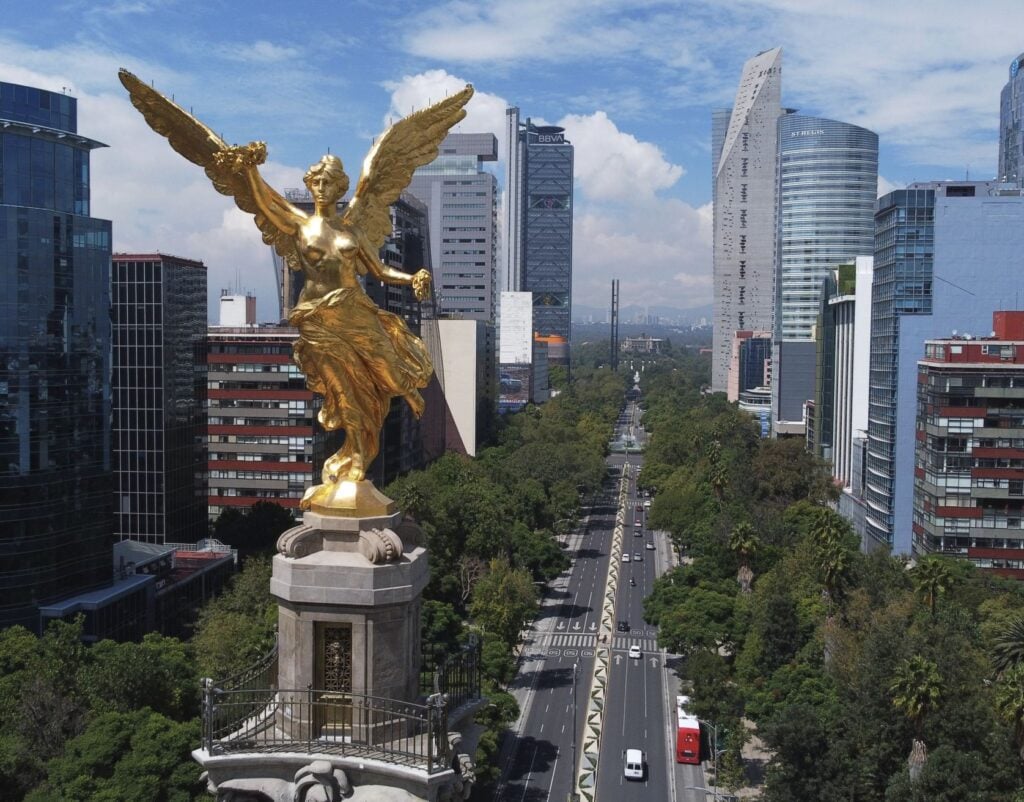
For vacationers, it is necessary to know that Mexican legislation strictly prohibits political actions by international residents. Participating in demonstrations might result in detention or deportation. If you are in an affected space, anticipate visitors congestion, an elevated police presence, and heightened safety measures.
The Rising Tide of Anti-Tourist Sentiment
You’ve noticed the official warning, however the true story runs deeper. Consider the hanging scenes from a mass protest simply final week: the phrases “Get out of Mexico” scrawled on a store window, glass panes violently kicked in, and “Kill a gringo” spray-painted on a wall. Demonstrators carried placards demanding Western foreigners “stop stealing our home,” portray a stark image of rising anger.
While final week’s demonstration was largely peaceable, the general public acts of vandalism and anti-immigration rhetoric have sparked heated debate. Even Mexican President Claudia Sheinbaum condemned the xenophobic sentiments, stating: “No to discrimination, no to racism, no to classism, no to xenophobia, no to machismo, no to discrimination. All human beings, men and women, are equal, and we cannot treat anyone as less.”
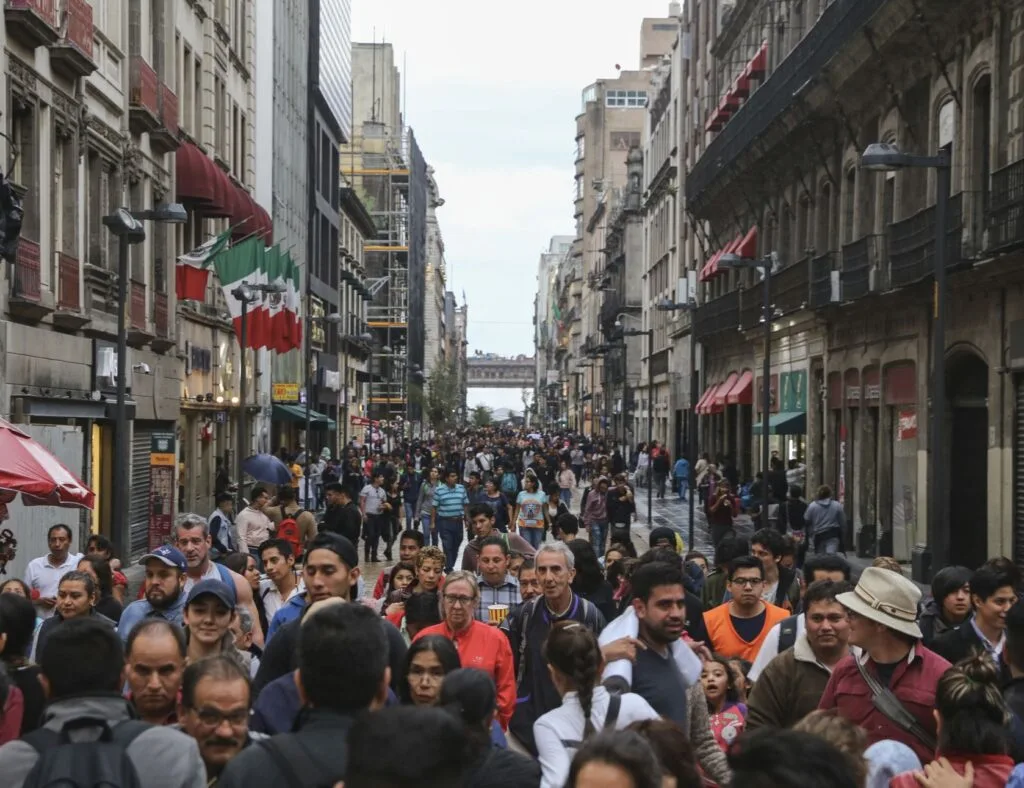
Adding a layer of irony, the U.S. Department of Homeland Security, actively concerned in its personal immigration crackdown, posted on X: “If you are in the United States illegally and wish to join the next protest in Mexico City, use the CBP One app to facilitate your departure.”
The Global Fight Against Gentrification
These rallies in Mexico City aren’t remoted occasions; they mirror a world pattern. Similar protests have erupted in common European cities like Barcelona and Paris, the place quickly escalating prices are being extensively attributed to overtourism, the proliferation of short-term residence leases, and an inflow of international residents with larger buying energy.
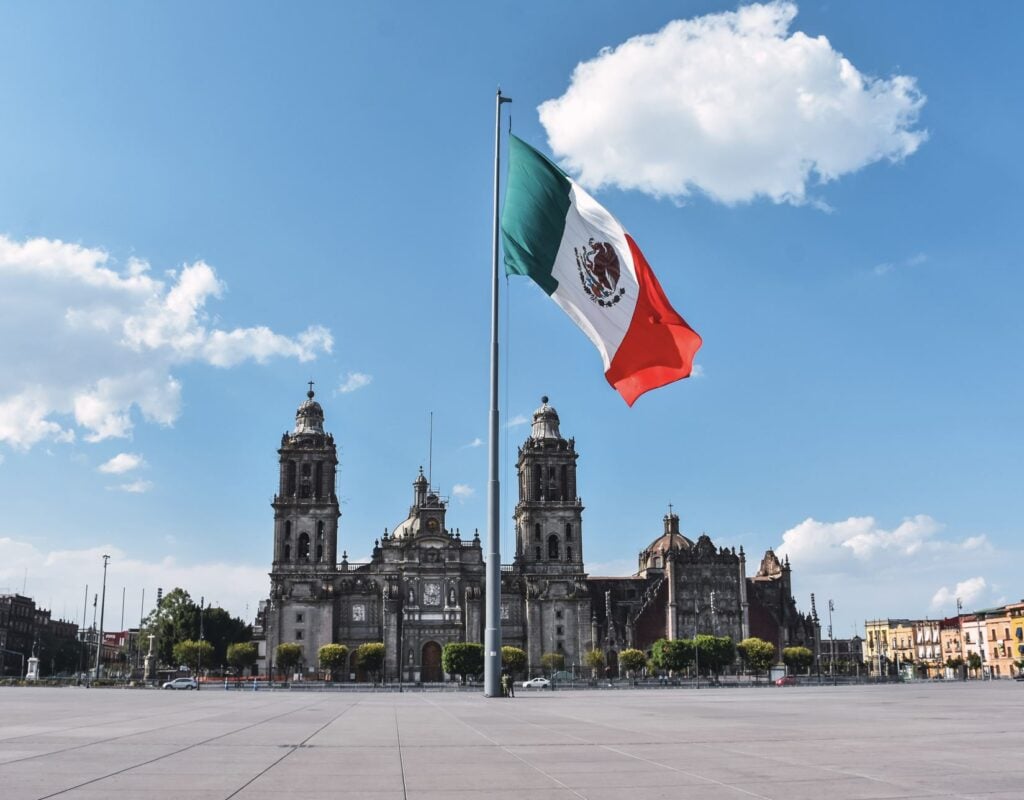
Frente Anti Gentrificacion Mx, one of many protest organizers, frames gentrification as a contemporary type of colonization. They argue on social media that “the state, institutions, and companies, both foreign and local, provide differential treatment to those with greater purchasing power.” Activists declare that 1000’s within the Mexican capital have been displaced from their houses as vacationers and distant employees, many believed to be American, transfer into common neighborhoods like Roma and Condesa.
Frente Anti Gentrificacion Mx spokesperson Yessica Morales pushed again towards accusations of xenophobia, clarifying that their marketing campaign highlights the plight of these priced out and calls for authorities reforms. “In Mexico, housing costs have risen 286% since 2005 … while real wages have decreased by 33%,” Morales acknowledged, citing official knowledge. “We are not against migration because gentrification is not a problem of migration (which is) a human right. We are against violence as a government model.” She urged potential newcomers to think about their influence.
Airbnb, Digital Nomads, and Accelerating Change
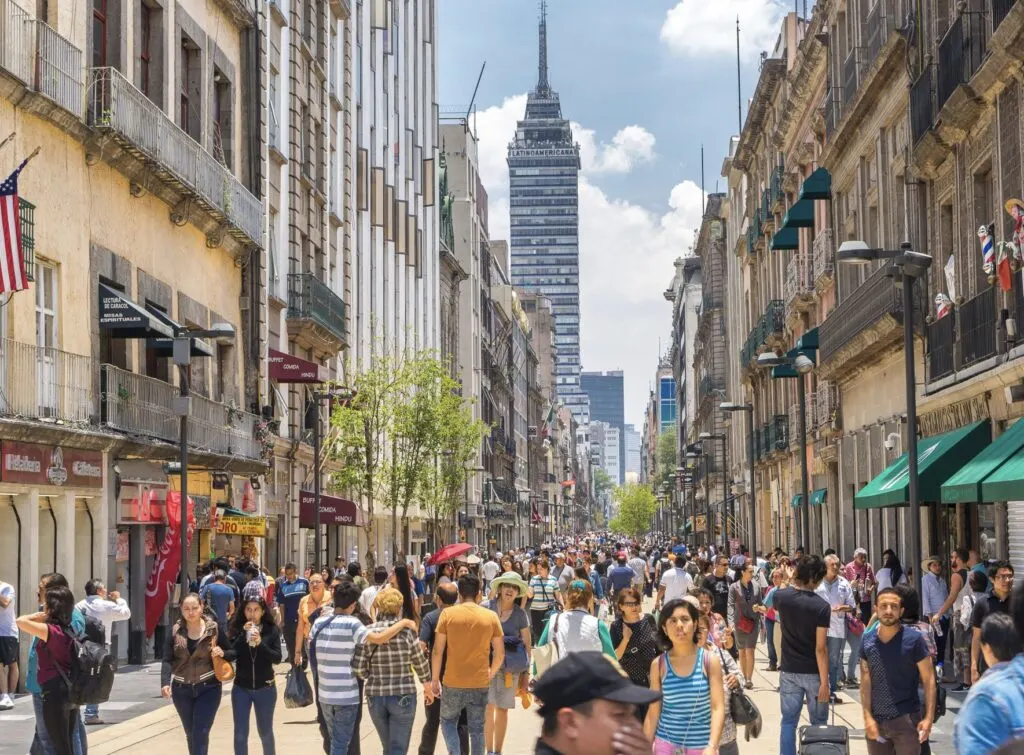
Experts agree that immigration isn’t the only trigger; Mexico City’s gentrification has occurred for many years as a consequence of points like inequality and housing coverage deficiencies. However, the unchecked progress of short-term leases like Airbnb and distant work insurance policies through the pandemic have undeniably “turbo-charged” this debate since 2020.
Despite rising criticism, Mexico City’s authorities signed an settlement with Airbnb and UNESCO in 2022 to advertise the capital as “a global hub for digital nomads,” an initiative then-mayor Claudia Sheinbaum championed for financial enhance. This was notably engaging for U.S. residents, who can keep as much as six months and not using a vacationer visa. In 2022, 122,758 non permanent residency permits had been granted to foreigners for Mexico, up from 97,825 in 2019. For many residents, nonetheless, this fueled the displacement narrative.
Lessons From Other Tourist Hotspots
Globally, the anger intensifies. Governments from Spain’s Canary Islands to Lisbon and Berlin have applied restrictions on short-term leases. Barcelona, for example, plans to revoke over 10,000 short-term rental licenses by November 2028, following documentation of how each day leases displaced long-term residents.
In Mexico City, Airbnb lists over 26,500 properties, closely concentrated in gentrified central neighborhoods like Condesa, Roma, Juarez, and Polanco. Local authorities laws have been launched, however consultants argue they fall quick. Airbnb defends its function, citing over $1 billion generated within the native economic system final 12 months and claiming 53% of its hosts depend on the platform to remain of their houses.
Activists are actually bracing for the 2026 World Cup, fearing state prioritization of enterprise over residents. The query hangs within the air for Mexico City’s future.
The Savvy Traveler’s Toolkit This article is only one a part of our mission to make you a safer, smarter traveler. You can discover our full suite of unique instruments for vacationers on our official Travel Off Path Tools Page or by exploring extra under.
The Travel Off Path Advantage: Your Travel Toolkit
Subscribe To Our Latest Posts